£72m to Reform: the £100,000 donation cap peers debate today
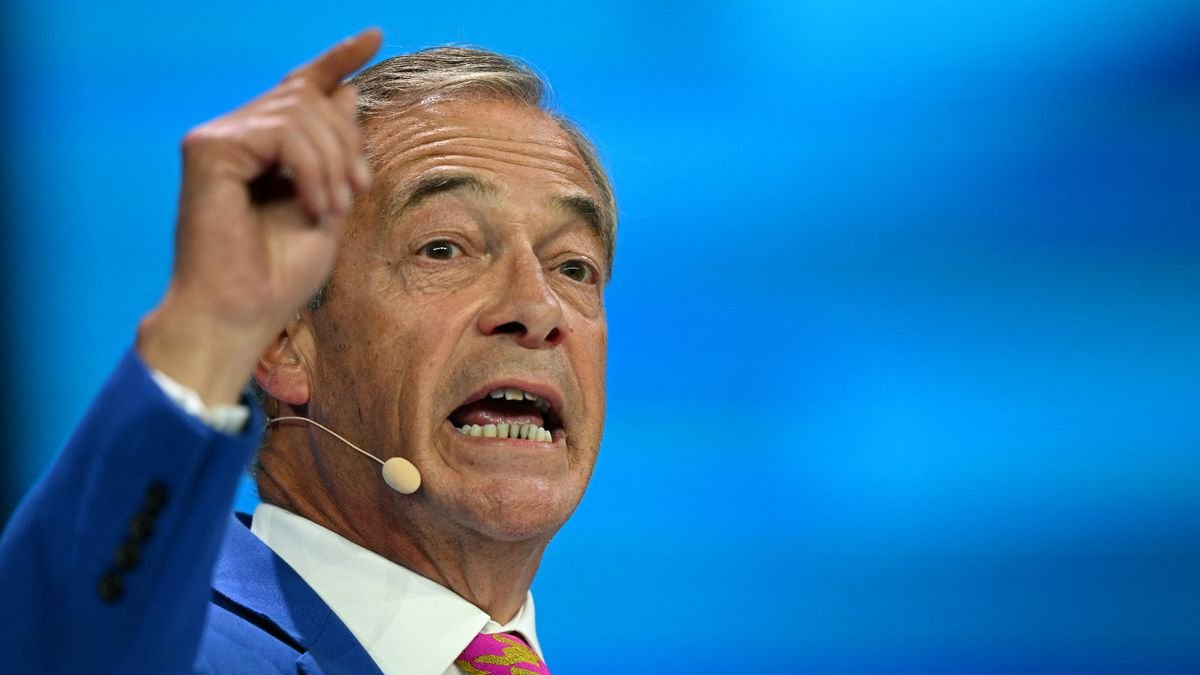
Reform UK has been handed £72million by two crypto billionaires, and peers spend today debating whether money on that scale should be allowed into British politics at all. According to the report, Ben Delo and Christopher Harborne gave £36million each to Nigel Farage's party, the two donations landing within days of one another.
The piece of law at the centre of it is the Representation of the People Bill, which reaches the Lords today. In its current form it sets a £100,000 limit on political donations from British citizens living overseas. That is the number to hold on to, because it is roughly a three hundred and sixtieth of what each of these two men gave.
The detail that turns this from a row into a real risk for Reform is the date. The cap is written to be backdated to March. Both Delo and Harborne had been living abroad until recently, which means the new limit could reach back and catch their money rather than simply apply from here on.
That is why the legislation is being described as capable of forcing Reform to hand the cash back. Nothing has been decided. The bill is still being argued over, and the backdating clause has to survive the Lords in its present shape before it binds anyone.
Labour peer Lord Wills is expected to go further today and raise a cap on donations for all Brits, not only those living overseas. A cap that applied to everyone would change the arithmetic for every party in the country, not just Reform.
Reform's Richard Tice was put on the spot about the money and complained that he is not an "executive assistant" to the party's mega donors. He insisted the donations are within the rules as they stand. He was not able to say when either of the two crypto billionaires moved to the UK, which is precisely the question the backdated cap depends on.
Tice is right that the current rules permit this. That is the point being made against him. Under the system as written today, two individuals can put £72million behind a political party inside a couple of days, and nobody has to explain themselves further.
For a household watching its energy bill and its council tax, this is not a Westminster parlour game. The parties setting policy on what you pay are funded by somebody, and the size of a single cheque tells you how much attention that somebody can expect. A £100,000 cap would not end big money in politics. It would stop one person buying a party outright. Whether peers keep that number, keep the March backdating, and whether it ends up applying to donors at home as well as abroad, is what gets settled in the coming weeks.