£860,000 taxpayer-funded pay-off for civil service chief ousted after 14 months
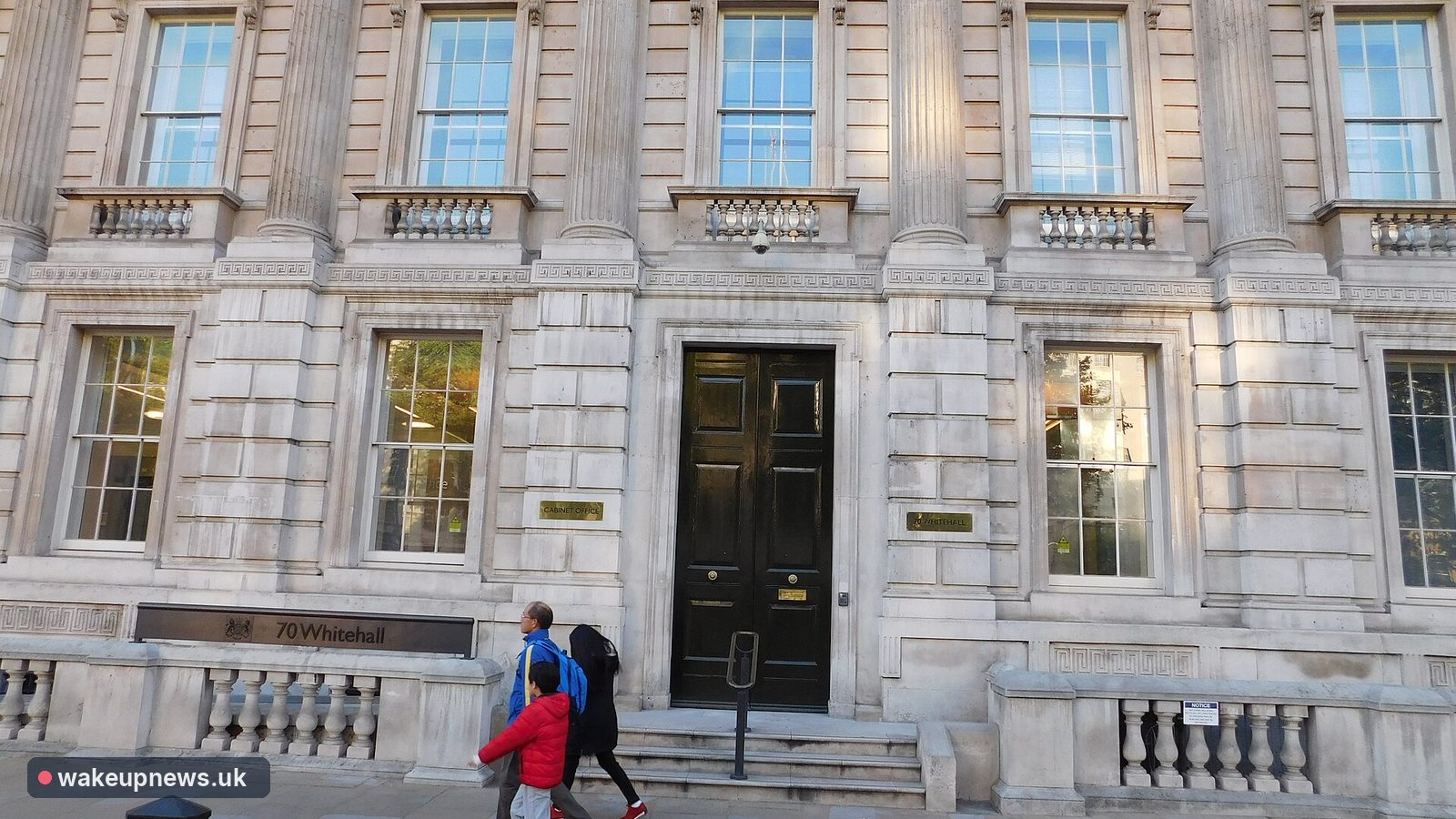
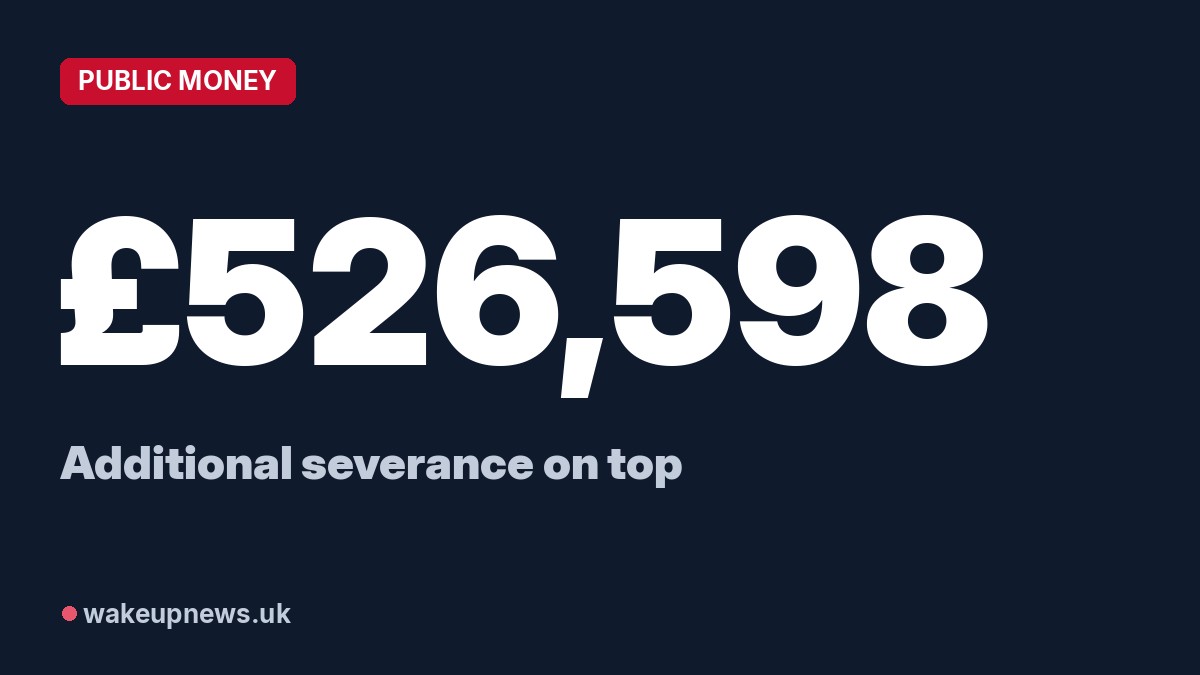
Lord Wormald, the former cabinet secretary and head of the Civil Service, received a record pay-off of nearly £860,000 after he was forced out of the job by Sir Keir Starmer, according to the BBC. The Cabinet Office's accounts show the sum was made up of £332,897 in "contractual compensation" and £526,598 in "additional severance". He had been in post for just 14 months after the then-prime minister appointed him.
Lord Wormald left in February by what was officially called "mutual agreement". This followed months of media reports suggesting Downing Street was unhappy with his performance. The accounts state that Sir Keir authorised the "special severance package" on 16 February.
Once his salary for the part of the year he worked is added, the BBC reports that his total for the year came to more than £1m. That is a large sum for a little over a year at the top of Whitehall, and it comes from a government department's books. The Cabinet Office has said very little in public, telling the BBC it does not comment on HR matters.
How the pension top-up made the pay-off so large
The BBC understands that the payment was partly meant to cover Lord Wormald's pension contributions, because his removal effectively cut his civil service career short. A note in the Cabinet Office accounts says he chose to take his pension early. According to that note, most of the severance went on making sure he could get the full value of the pension he would have received at normal retirement age, so it was not reduced for being taken early.
Some of the money also compensated him for a compulsory "waiting period" after leaving government, the BBC reports. As cabinet secretary he would have had regular access to sensitive information on national security, foreign policy and the UK economy. A Cabinet Office spokesperson said the department's permanent secretary received a ministerial direction from the then-prime minister to go ahead with the payment, and that the letters they exchanged are a matter of public record.
Conservative shadow Cabinet Office minister Alex Burghart called the payout "another appalling waste of taxpayers' money by Labour". He said Chris Wormald was "just one of many civil servants and advisers fired by Keir Starmer as he tried to save his own skin". The BBC said it had approached both Lord Wormald and Sir Keir for comment.
Who paid for the deal and who gained from it
The payment appears in the Cabinet Office's own published accounts, so it counts as public money. Opposition politicians are framing it as a cost to taxpayers. The sources do not say whether ordinary civil servants who leave early can get similar pension protection, and no such comparison has been published.
The main beneficiary is Lord Wormald himself. The accounts show his salary between 1 April 2025 and 13 February was between £210,000 and £215,000, and the severance on top was designed so that his pension would not shrink because he left early. In effect, the deal protected the retirement income he would have expected had he stayed in the Civil Service until normal retirement age.
Not everyone sees him as the villain of the story. The FDA union, which represents senior civil servants, criticised "anonymous briefings" against him when he left. It called his treatment "a new low for this government and its relationship with the Civil Service".
Key numbers
- Nearly £860,000: the total pay-off, described by the BBC as a record.
- £332,897: the part of the payment classed as contractual compensation.
- £526,598: the "additional severance" paid on top, most of it used to protect his pension.
- Between £210,000 and £215,000: his salary for the period from 1 April 2025 to 13 February.
- More than £1m: his total for the year once salary and pay-off are counted together.
- 14 months: how long he served, making him the shortest-serving cabinet secretary in the history of the post.
- 16 February: the date Sir Keir authorised the special severance package, according to the accounts.
What happens next for Lord Wormald
Lord Wormald was given a seat in the House of Lords in one of Sir Keir's last acts as prime minister. He will sit as an independent crossbench peer and is scheduled to formally take his seat on Thursday.
No plan to review or recover any of the payment has been reported. The money has already been signed off and recorded in the Cabinet Office accounts, so for now nothing about the deal is set to change.
What you can do now
If you want to see the detail for yourself, the figures come from the Cabinet Office's published annual accounts, which include the note explaining how the pension element worked. The Cabinet Office says the exchange of letters between the then-prime minister and its permanent secretary about the payment is a matter of public record, so you can ask the department where to find it.
If you think large exit payments for senior officials need tighter rules, you can write to your MP and ask how severance packages at the top of the Civil Service are approved and checked. Asking a specific question, such as who can authorise a "special severance package" and on what grounds, is more likely to get a useful reply than a general complaint.
If you work in the Civil Service yourself and are worried about how leaving early could affect your own pension, check your terms with your HR team or your union before making any decision. Your pension scheme can tell you how taking benefits early would change what you receive.
Your questions answered
Why was the pay-off so big for such a short time in the job
According to a note in the Cabinet Office accounts, most of the severance was used so that Lord Wormald could access the full value of the pension he would have got at normal retirement age, rather than a reduced amount for taking it early. The BBC also reports that part of it compensated him for a mandatory waiting period after leaving government.
Did he resign or was he sacked
Officially he left by "mutual agreement" in February. The BBC reports that he was forced out by Sir Keir Starmer after months of media reports suggesting Downing Street was unhappy with his performance, and the FDA union criticised anonymous briefings against him.
Who signed off the payment
The accounts state that Sir Keir authorised the special severance package on 16 February. The Cabinet Office said its permanent secretary received a ministerial direction from the then-prime minister to proceed with the payment.
Sources
This report was written by the Wake Up News Desk from the reporting and official documents listed below. Figures are taken from these sources. Spotted an error? Email hello@wakeupnews.uk.