Energy bills up 13% from July, but October rise now forecast at 2%
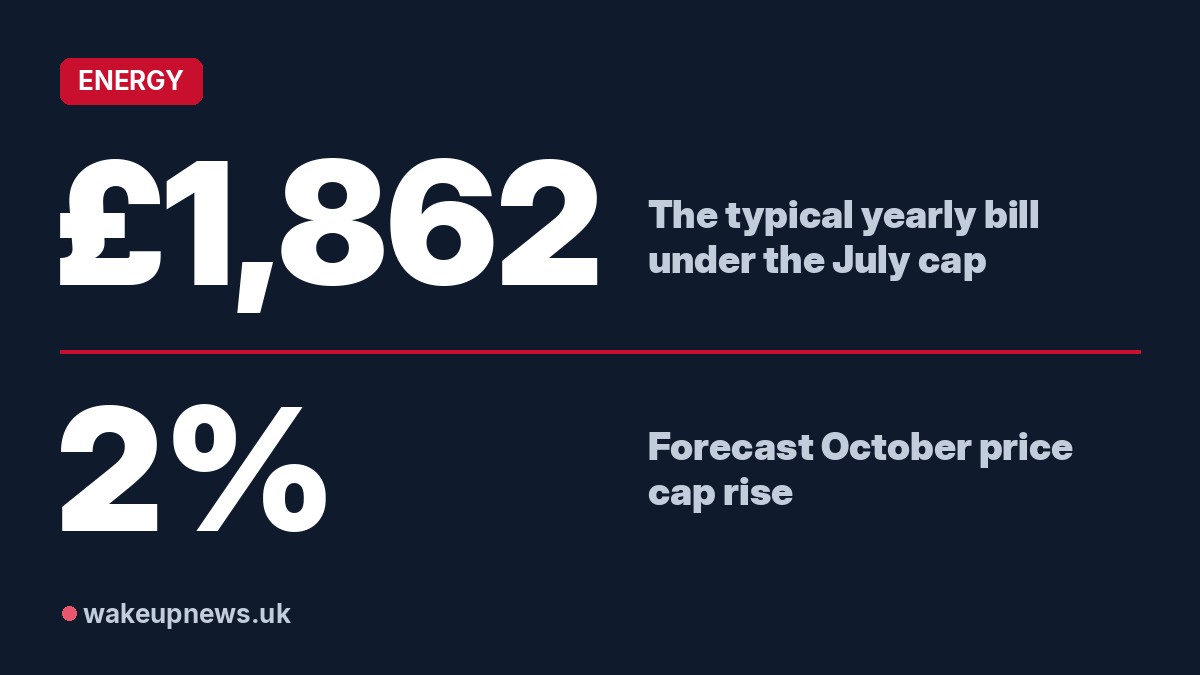
Ofgem has confirmed that the energy price cap will rise by £221, or 13%, from July, the Daily Mirror reports. That takes the annual bill for a typical dual-fuel household paying by direct debit to £1,862. Households will pay the higher rate all through the summer, before any further change in the autumn.
The forecast for later in the year is better. Analysts at Cornwall Insight have scaled back their forecast for the October cap and now expect a rise of no more than 2%. That would take the typical bill from £1,862 to around £1,899 a year.
That is far below some of the worst-case scenarios feared after conflict in the Middle East sent wholesale gas prices soaring. But the consultancy said bills would still be around 8% higher than in the equivalent winter period in 2025. It also warned that its forecast is still very uncertain.
Why analysts have cut their winter forecast
Cornwall Insight said wholesale prices have fallen back from the peaks seen in March, although they remain well above where they were before the conflict began. The Mirror reported that markets had been rattled for months by fears over supplies from the Gulf. The closure of the Strait of Hormuz and damage to energy infrastructure pushed up wholesale prices earlier this year.
Recent signs of progress towards a diplomatic settlement in the region have helped calm markets. That has raised hopes the October increase could end up even smaller than currently forecast. However, the consultancy said Ofgem has only recently begun the three-month assessment period it uses to set the October-to-December cap, so the picture could still change.
Dr Craig Lowrey, principal consultant at Cornwall Insight, warned against expecting cheap energy to return quickly. "A lot of people assume that if the conflict in the Middle East ended tomorrow, prices would return to their pre-conflict levels fairly quickly. However, that may be overly optimistic," he said. He added that damage to infrastructure, disruption to supply chains and the loss of market confidence "will not unwind overnight, and the impacts could be felt in bills for longer than many expect."
Who pays more and what help is on offer
The £1,862 figure is Ofgem's benchmark for a typical dual-fuel household paying by direct debit. It describes a typical home, not every home, so what you pay depends on how much gas and electricity you use and how you pay for it. Ofgem publishes the unit rates and standing charges behind the cap on its website.
The big unanswered question is help with the cost. The Mirror reported that the Government has signalled any support this winter would be targeted, unlike the universal packages offered during the energy crisis triggered by Russia's invasion of Ukraine. Ministers have not yet said who would qualify or how help would be delivered, and consumer groups are expected to renew calls for an answer.
One change has already been set out, and it covers every household paying an electricity bill. According to Citizens Advice, the government is cutting VAT on household electricity bills for 6 months. No VAT will be charged from 1 October 2026 to 31 March 2027, and the standard 5% rate returns from 1 April 2027. The cut is applied automatically and refers specifically to electricity bills.
Key numbers
- £221: the rise in the typical yearly bill under Ofgem's July price cap.
- 13%: the July increase as a percentage.
- £1,862: the annual bill for a typical dual-fuel household paying by direct debit from July.
- 2%: the most Cornwall Insight now expects the cap to rise in October.
- £1,899: roughly where the typical annual bill would land in October if that forecast is right.
- 8%: how much higher bills would be than in the equivalent winter period in 2025, according to Cornwall Insight.
- 5%: the standard VAT rate on electricity, which Citizens Advice says returns from 1 April 2027.
When the October cap will be decided
Cornwall Insight says Ofgem has only recently started the three-month assessment period it uses to calculate the October-to-December price cap. That means the 2% figure is a forecast, not a decision. The final number depends on how wholesale prices move during that period, and the sources do not give a date for Ofgem's announcement.
Meanwhile, the Government's plans for targeted winter support have still not been published. Until ministers set out who qualifies and how help will reach them, the only confirmed changes are the July cap and the VAT cut on electricity.
What you can do now
Check what the July cap means for your own tariff. Ofgem's guide to the energy price cap, unit rates and standing charges explains how gas and electricity bills are calculated. It also covers how to switch supplier and how to join your supplier's Priority Services Register.
If you are struggling to pay, read the Citizens Advice guide to grants and benefits for energy bills. It covers the Warm Home Discount, the Winter Fuel Payment and the Cold Weather Payment or Winter Heating Payment. It says the help you can get depends on how you pay for your energy, the type of energy you use and whether you claim benefits.
Look out for the VAT cut on your electricity bills from 1 October 2026. Citizens Advice says it is applied automatically and you do not have to apply. Because there is nothing to sign up for, be wary of any email or message asking you to apply for it.
Your questions answered
Will my bill definitely go up again in October
Not definitely. Cornwall Insight expects a rise of no more than 2% and says recent diplomatic progress in the Middle East could make it smaller still. It also says the forecast is very uncertain while Ofgem's assessment period is still running.
If the conflict ends, will prices drop back quickly
Not necessarily. Dr Craig Lowrey of Cornwall Insight warned that assuming a quick return to pre-conflict prices "may be overly optimistic". He said damage to infrastructure and disrupted supply chains could keep bills higher for longer than many people expect.
Will the Government help with bills this winter
The Mirror reported that the Government has signalled any help would be targeted rather than universal. Who would qualify and how help would be paid have not been announced. The VAT cut on household electricity bills, which Citizens Advice says runs from 1 October 2026 to 31 March 2027, applies automatically.
Sources
This report was written by the Wake Up News Desk from the reporting and official documents listed below. Figures are taken from these sources. Spotted an error? Email hello@wakeupnews.uk.