£1,000 number plate fines: new national police centre targets illegal plates
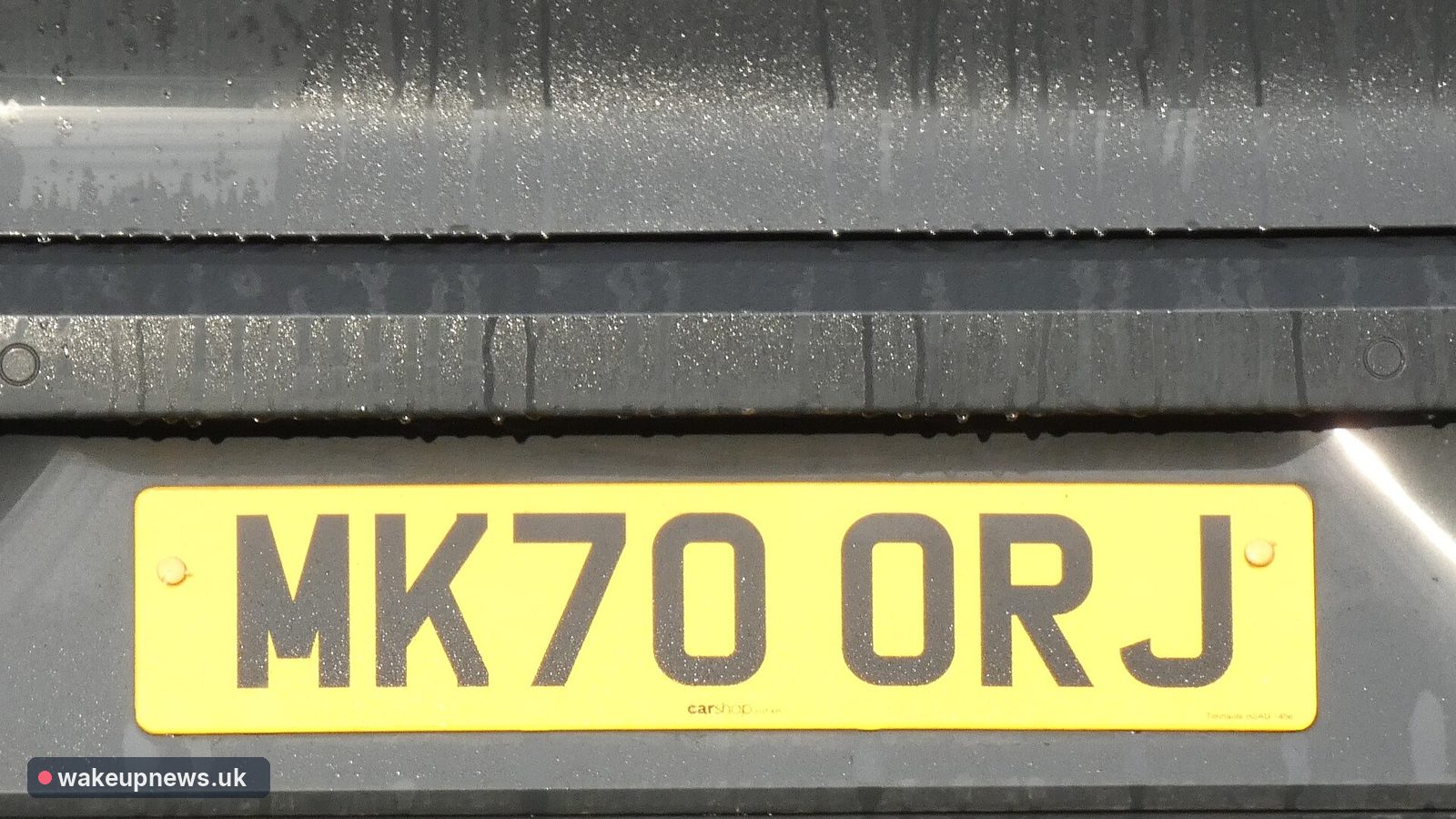
Drivers with an incorrectly displayed number plate can be fined up to £1,000, and the Department for Transport has now paid for a new national roads policing team to find them. The National Roads Policing Coordination Centre, known as the NRPCC, will bring together police forces from around England. According to the Government, they will share intelligence, work together more closely and make better use of data.
Ministers say the crackdown is aimed at two groups: drivers who use doctored plates to avoid fines, and organised crime gangs that depend on the road network. GB News reports that the campaign will use new technology, including specialised goggles that can read plates where the letters and numbers have been deliberately obscured.
For most motorists, the practical message is simple. A plate that cameras struggle to read is now more likely to attract police attention than before, whether the driver meant it or not.
How the new roads policing centre will work
The Government says the NRPCC is part of its Road Safety Strategy, which it describes as the first in over a decade. The centre will help forces trial new technology and share tech and data in what officials call a blitz on organised crime. The DfT says vehicles carrying illegal plates are harder for police to follow using recognition cameras, which is why it has made plates a priority.
Roads Minister Justin Madders said Labour was "stepping in to protect drivers". He added: "This is a signal to anyone using illegal number plates that their time is up. We will catch you and our roads and streets will be safer for it." Policing and Crime Minister Sarah Jones said the new team would "help police track down offenders faster and disrupt organised crime groups that rely on our road network".
Chief Superintendent Marc Clothier, Deputy National Coordinator for the NRPCC, said the forces involved had already shared intelligence and tested new approaches, which he called "incredibly valuable". He said the DfT funding gave a chance to improve "national coordination, consistency, collaboration and communication" across policing and Government. He spoke of roads policing "across the UK", while the Government announcement describes the centre as covering England. The amount of money behind the centre has not been published in the reports we have seen.
Who is in the firing line
GB News reports that illegal plates have become more common in recent years as criminals clone other people's registrations or make their own unreadable to cameras. According to the outlet, such plates are often used to avoid speeding fines, parking penalties and Clean Air Zone charges. They are also used by organised crime networks moving illegal goods along the strategic road network, it says.
A growing concern is so-called "ghost plates", which use a transparent film to hide the registration from cameras. Labour MP Sarah Coombes has been pushing for a tougher response to these, with proposals for hefty fines and licence points, GB News reports. Those proposals are not law, and the reports give no figure for any new penalty.
Drivers are not the only target. The DVLA and DVSA continue to work with police forces to identify illegal plates and take action against the people using them. According to GB News, this includes supporting investigations into businesses that supply plates, as well as roadside operations.
Key numbers
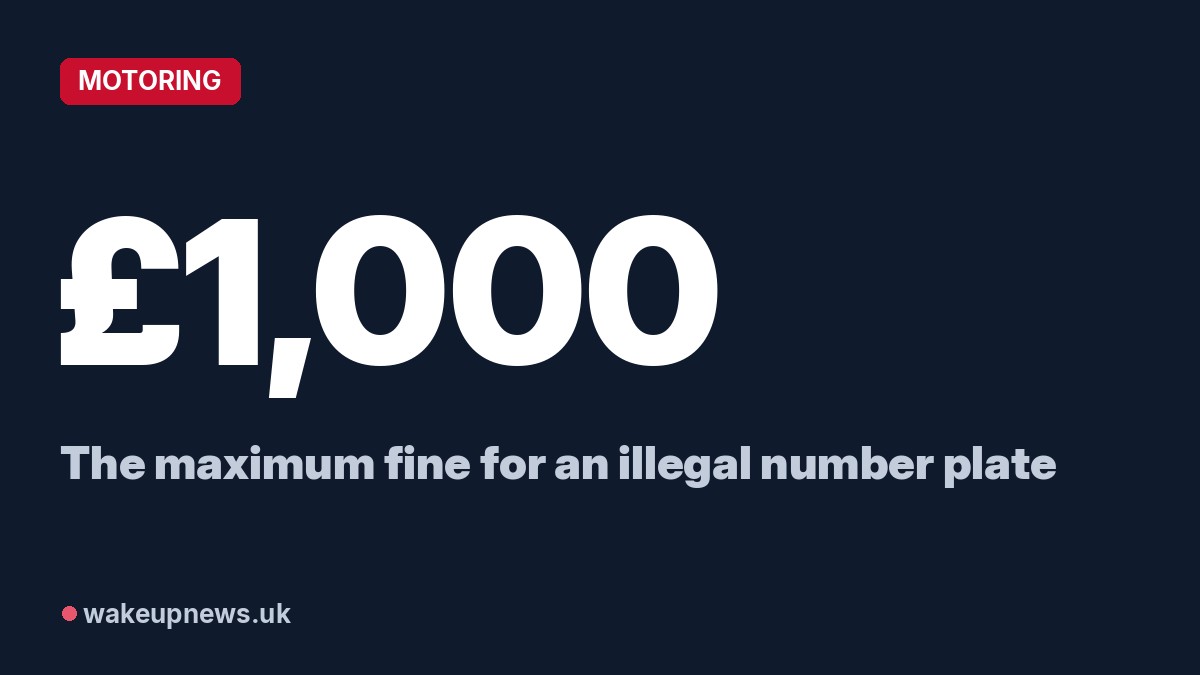
- £1,000: the maximum fine for driving with an incorrectly displayed number plate, according to GB News.
- NRPCC: the new National Roads Policing Coordination Centre, funded by the Department for Transport.
- Over a decade: the time since the last road safety strategy, according to the Government, which says this crackdown is part of the new one.
- England: the area whose police forces the new centre brings together, according to the Government announcement.
- DVLA and DVSA: the government agencies already working with police on roadside checks and investigations into plate suppliers.
No start date or funding figure yet
The reports do not give a launch date for the centre, a budget, or targets for how many drivers or gangs it expects to catch. Chief Superintendent Clothier spoke of moving on to the centre's "next operational focus" but did not say what that will be or when it will begin.
The £1,000 fine described by GB News already applies. What has changed is how the rules will be enforced, through more coordination and more technology. The proposals for licence points on ghost plates are only proposals, so that part changes nothing yet.
What you can do now
Take a few minutes to look at both of your number plates in daylight. Check that every letter and number is clear and that nothing covers the characters, such as a film, tint or cover, since the DfT says unreadable plates are what this crackdown is built to catch. If a plate is faded, damaged or has been altered by a previous owner, replacing it from a reputable business is likely to cost far less than a fine of up to £1,000.
If you are buying a used car, check the plates as part of your inspection and ask the seller about anything that looks unusual. The DVLA and DVSA are investigating plate suppliers, so a cheap "show plate" bought online could leave you on the wrong side of the rules.
If you receive a penalty notice for a journey you know you did not make, keep the paperwork and contact the police and the organisation that issued it, because cloned plates are a problem police say they are trying to tackle. You can read the full Government announcement on the new roads policing team and the crackdown on illegal number plates.
Your questions answered
Can I really be fined £1,000 over my number plate?
GB News reports that drivers using an incorrectly displayed number plate can be fined up to £1,000. That is the upper limit, and the reports do not say what fine police would usually give in a typical case.
What exactly is a ghost plate?
According to GB News, a ghost plate uses a transparent film over the registration so that cameras cannot read it, even though it may look normal to the eye. The new centre is trialling specialised goggles designed to spot plates where the characters have been obscured.
Does this apply in Scotland and Wales?
The Government announcement describes the NRPCC as bringing together forces from around England. Chief Superintendent Clothier referred to roads policing across the UK, but the reports do not explain how the centre will work outside England.
Sources
This report was written by the Wake Up News Desk from the reporting and official documents listed below. Figures are taken from these sources. Spotted an error? Email hello@wakeupnews.uk.