Diesel hits 192.86p a litre as drivers face fuel duty rise in January
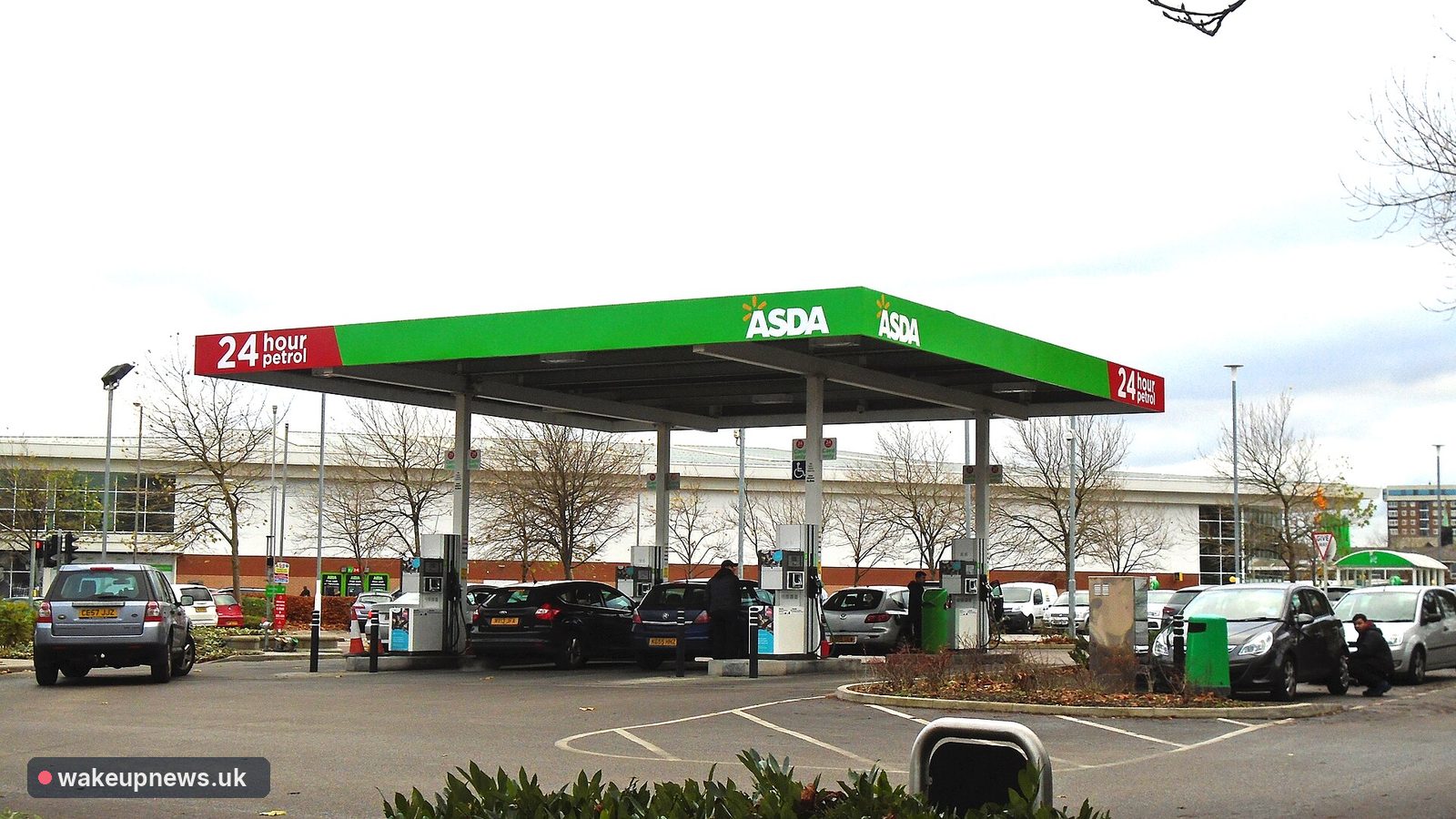
Drivers are paying an average of 192.86p a litre for diesel and 170.54p for petrol, according to the latest RAC Fuel Watch figures reported by GB News. Motoring groups are now urging the Chancellor to rethink a fuel duty rise due in January. The RAC says forecourt prices are at their highest since July and August 2022, a level drivers have not seen in around four years.
GB News reports that both fuels have reached a new high since the Iran war began on February 28, as instability in the Middle East pushes up the global cost of oil. Experts quoted in the report warn that prices are climbing by about 1p every day, and that diesel is rising at an average of 1.18p per day.
Diesel drivers are worst off. According to the RAC figures, diesel is now only 7p away from the most expensive price ever recorded in the UK. GB News says this means car and van owners who rely on it could soon face the highest costs ever.
Why the fuel duty rise is now in the spotlight
Fuel duty is a fixed tax charged on every litre. Since 2022 it has been held down by a 5p cut, brought in to soften the price spike after Russia's invasion of Ukraine. GB News reports that the cut has been extended every year since, and that under former Prime Minister Sir Keir Starmer the Government announced it would run until the end of 2026.
Exactly how the cut ends is less clear. GB News says the Government planned to phase it out gradually in September and December this year, with duty going back to pre-2022 levels in March 2027. The same report also says that plan was axed in response to the Iran war, while adding that duty is still expected to rise by 3p in January. Our sources do not include a new Government statement setting out the final timetable.
Simon Williams, head of policy at the RAC, said: "Fuel duty is set to start rising from January but as we've said previously, there is a strong argument for leaving it at its current level, at least until the end of the Parliament." Steve Gooding, director of the RAC Foundation, said the Government "can't end the war, but it can recognise the financial hit to drivers and businesses caused by surging petrol and diesel prices". He also urged the Chancellor to consider cutting fuel duty at the budget.
Who pays most at the pump
Everyone who fills up is affected, but the RAC says households that depend on the car are feeling it most. Mr Williams said that since the start of this month the cost of filling a family car has gone up by almost £5, to £94 for petrol and £106 for diesel. He added that "the pressure on the Chancellor to act to support households, so many of whom are dependent on the car, is building."
Where you fill up makes a big difference. The most expensive petrol listed by GB News was 202.99p a litre at the Cluanie Inn Hotel in Glenmoriston, near Inverness, followed by 199.9p at East Grinstead Service Station in West Sussex. Three Asda Express sites, in Bicester, Tamworth and Stone, were each charging 196.9p.
Diesel was dearer still at remote and motorway sites. Island Carriers on St Mary's in the Isles of Scilly was charging 220p, Courtesy Filling Station in Southampton 219.9p and A&C Maclean in Castlebay on the Isle of Barra 218p. The Hilton Park South and Welcome Break Charnock Richard South service areas were both charging 214.9p.
Key numbers
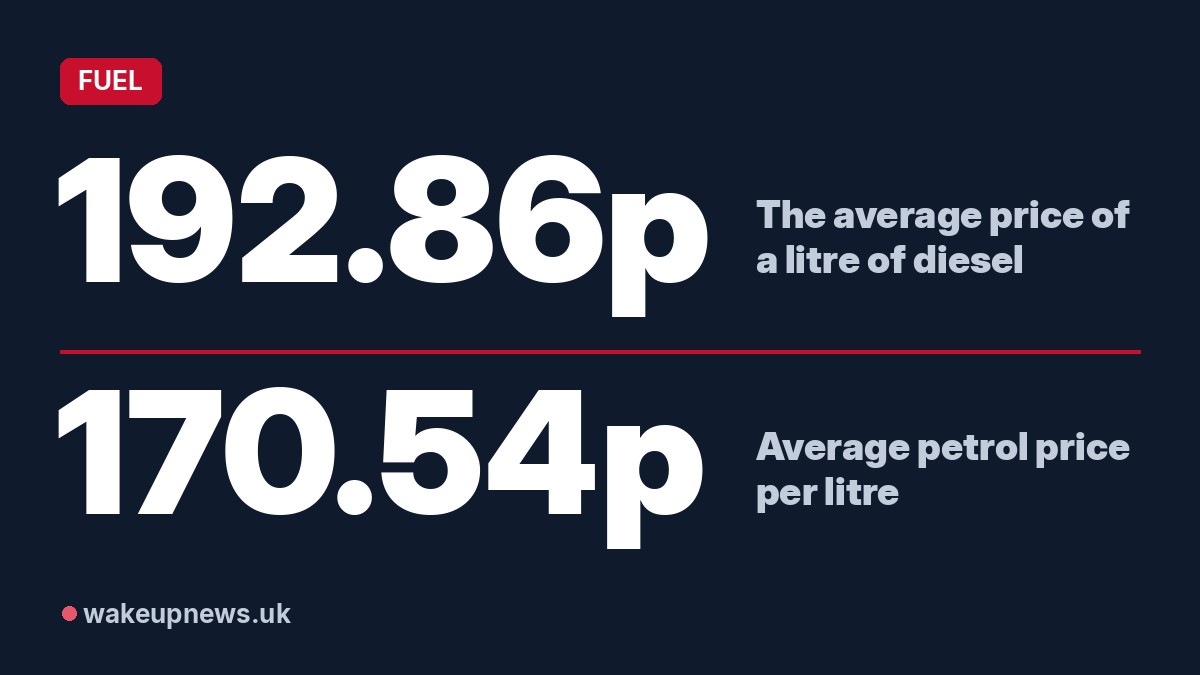
- 192.86p: the average price of a litre of diesel, according to RAC Fuel Watch.
- 170.54p: the average price of a litre of petrol, the highest since the summer of 2022.
- 1.18p: the average daily rise in diesel prices, as reported by GB News.
- £106: what it now costs to fill a family diesel car, according to the RAC.
- 5p: the fuel duty cut first introduced after Russia's invasion of Ukraine.
- 3p: the fuel duty rise GB News says is expected in January.
- $100: the price a barrel of oil is still trading above, according to the RAC.
What happens in January and at the budget
No tax change has hit the pump yet. GB News reports that fuel duty is expected to rise by 3p in January, and the RAC Foundation is pressing the Chancellor to use the budget to cut duty instead. Our sources do not give a budget date, and no decision to scrap or delay the January rise has been reported.
In the meantime, the RAC expects pump prices to keep going up while oil trades above $100 a barrel. Mr Williams said prices "look set to keep on rising".
What you can do now
The gap between the dearest forecourts and the national average is wide, so it is worth comparing local prices before you fill up rather than buying wherever is nearest. Several of the most expensive sites named by GB News were motorway service areas, so filling up before a long trip rather than on the way may help.
If you run a diesel car or van, keep an eye on the January date and on what the Chancellor says at the budget, because any change to fuel duty applies to every litre you buy. Topping up before a duty rise takes effect is one simple way to delay the extra cost.
If you want your view on the January rise heard, you can write to your MP, who can raise it with ministers before the budget. The RAC and the RAC Foundation have both said publicly that they want duty held or cut.
Your questions answered
When will fuel duty go up?
GB News reports that fuel duty is expected to rise by 3p in January. The same report describes an earlier plan to phase out the 5p cut in September and December this year and return to pre-2022 levels in March 2027, but says that plan was axed in response to the Iran war.
Is diesel about to hit a record high?
The RAC figures put diesel only 7p away from the most expensive price ever recorded in the UK. At the 2022 peak after Russia's invasion of Ukraine, drivers paid just shy of £2 a litre for diesel and around 191p for petrol. With diesel rising by an average of 1.18p per day, GB News says diesel owners could face the highest costs ever.
Why are prices rising so fast?
According to GB News, instability in the Middle East since the start of the Iran war has pushed up the global cost of oil, and that feeds through to forecourts. The RAC says a barrel of oil is still trading above $100 (£74.23), and experts warn pump prices are rising by about 1p every day.
Sources
This report was written by the Wake Up News Desk from the reporting and official documents listed below. Figures are taken from these sources. Spotted an error? Email hello@wakeupnews.uk.