Labour Bill would let private firms charge tolls on new and upgraded roads
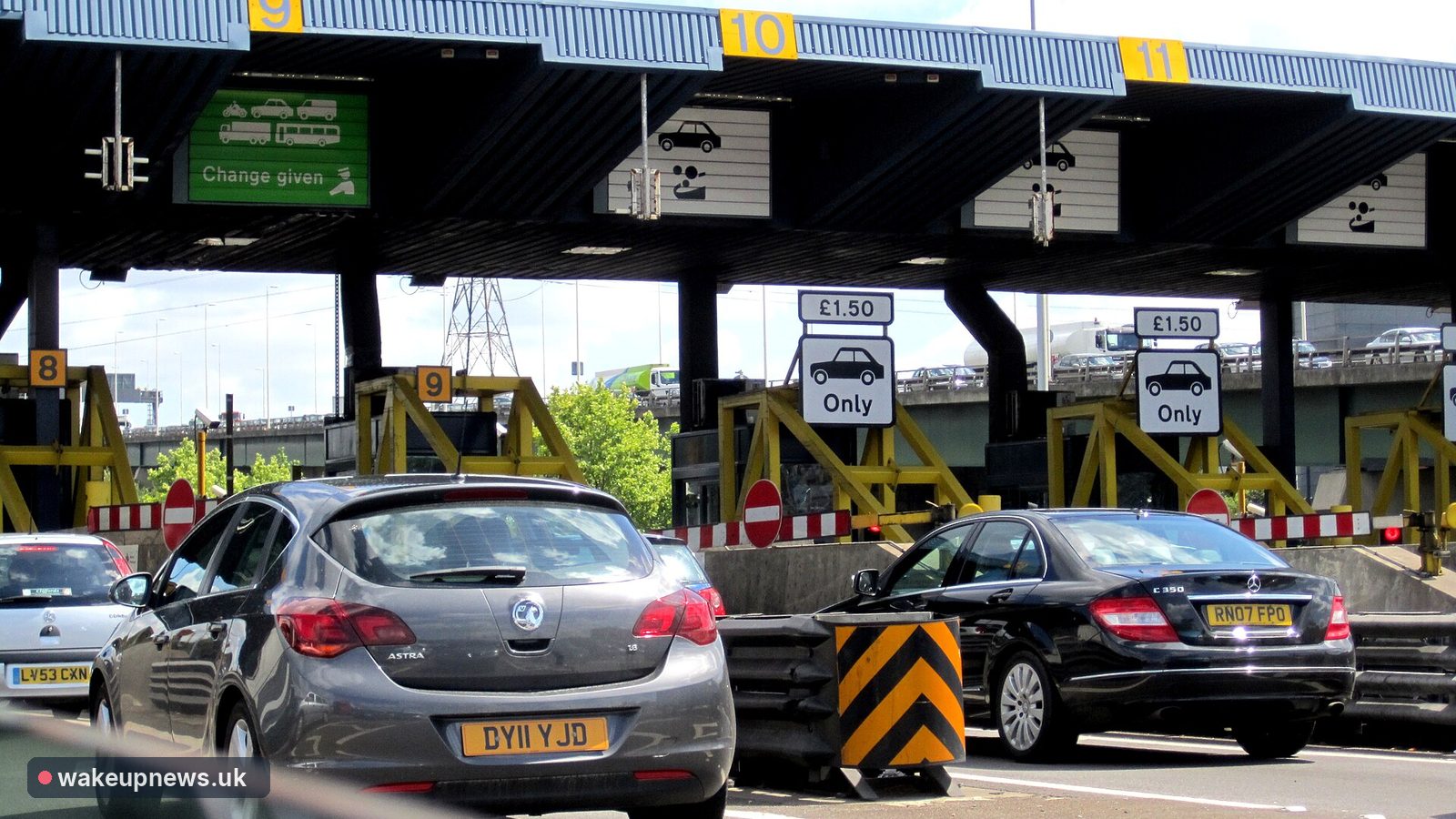
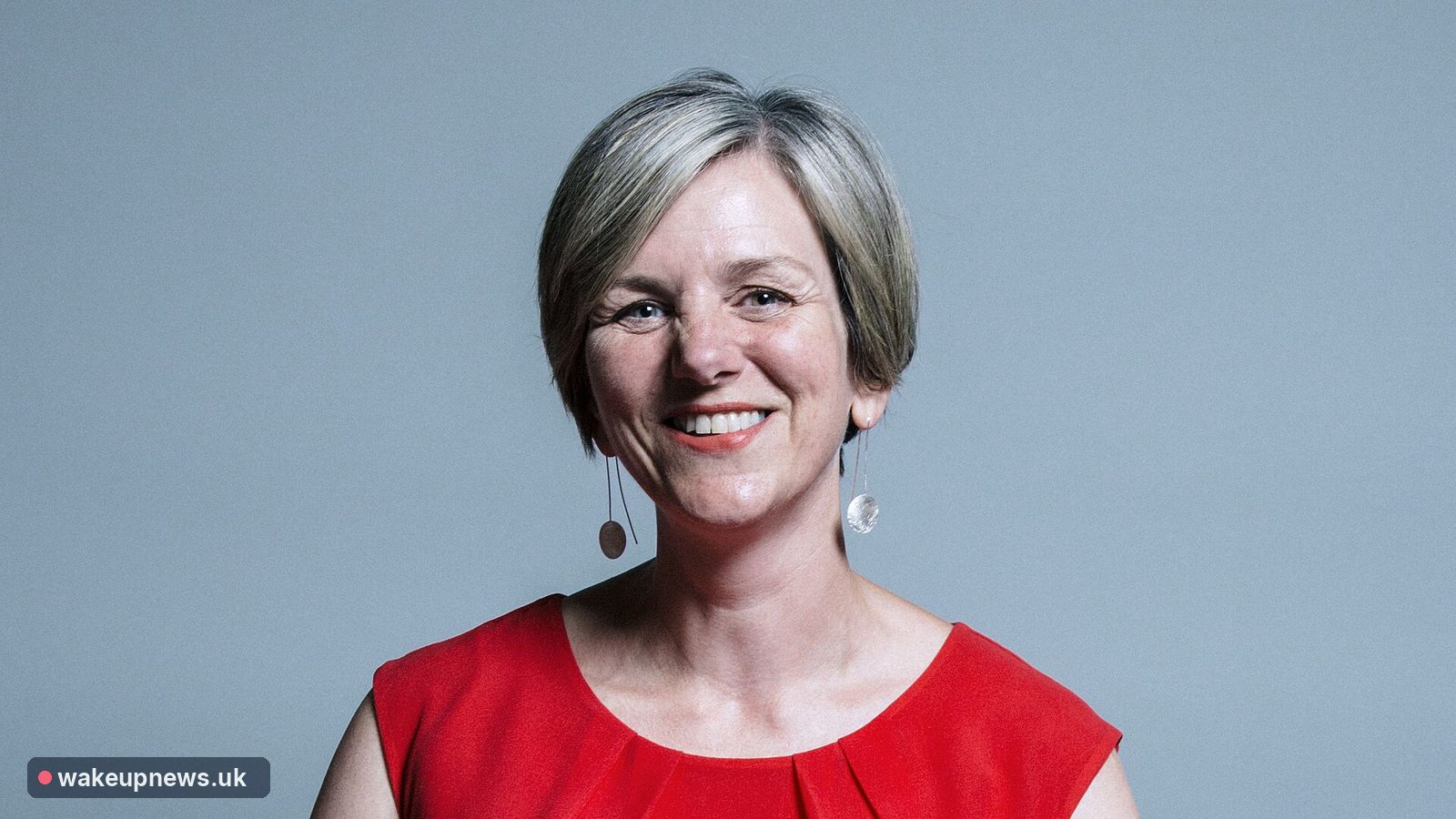
Private companies could be given licences to charge drivers tolls on new and upgraded trunk roads in England under the Highways (Financing) Bill, which Transport Secretary Heidi Alexander recently put before Parliament. The Bill does not set a price for any toll. GB News reports that any toll that is approved would be capped at a maximum level set by the Office of Rail and Road, the independent regulator.
According to GB News, the Government hopes the law will speed up the building of the country's infrastructure. The plan comes as drivers already face rising costs, including a new pay-per-mile charge on electric cars that is on the way. Critics quoted by the Daily Mail argue that the plan will hit motorists who are already struggling with the cost of running a car.
The Conservatives and the AA have both raised concerns. The Department for Transport insists that the claims are wrong and says any new tolls would be capped and independently regulated.
How the private toll licences would work
Under the Bill, a company could be granted a licence to charge tolls if it is responsible for building a highway, increasing the capacity of a highway or maintaining a highway. GB News reports that licences would first be granted by the Office of Rail and Road, but the Transport Secretary would have the final say on whether to consent. In other words, the toll would be the firm's reward for paying for or carrying out the road works.
The regulator could set the maximum toll based on what the operator needs to recover its economic costs. Documents linked to the Bill say a licence could last for a set period or until it is revoked by the regulator or the Secretary of State. No typical licence length or likely toll price per journey has been published in the reports so far.
Shadow Transport Secretary Richard Holden accused Labour of trying to "slyly slip out plans for charging for road use with no thought as to even capping what could be charged", warning of "a wild west of punitive new charges". A Department for Transport spokesperson replied that it is "simply not true" that the Bill allows unchecked tolling or road pricing. The spokesperson said a licence holder could not introduce new tolls without permission.
Which drivers could end up paying
The Bill covers trunk roads in England that are yet to be built, or existing roads that are being upgraded to carry more traffic. Drivers who mainly use local roads that are not being expanded would not be directly affected by the Bill as described. Anyone who regularly uses a major route that gets a new section or extra capacity could, in principle, face a toll in future.
Tolls are still rare in Britain. The RAC estimates there are 20 toll roads in the UK, and most of them are river crossings, mainly on motorways and A-roads. Existing tolls can rise sharply too. The Dartford Crossing increased its fees by 40 per cent on September 1 last year.
Electric car owners face a separate new cost. Former Chancellor Rachel Reeves approved Electric Vehicle Excise Duty last year, which GB News says will charge electric car drivers per mile from 2028, with a lower rate for plug-in hybrids. AA President Edmund King said drivers would welcome a better strategic road network, but warned that private contractors should not take advantage, calling extra charges a "toll too far".
Key numbers
- 20: the number of toll roads in the UK, according to RAC estimates.
- 18: how many of those toll roads are river crossings, the RAC says.
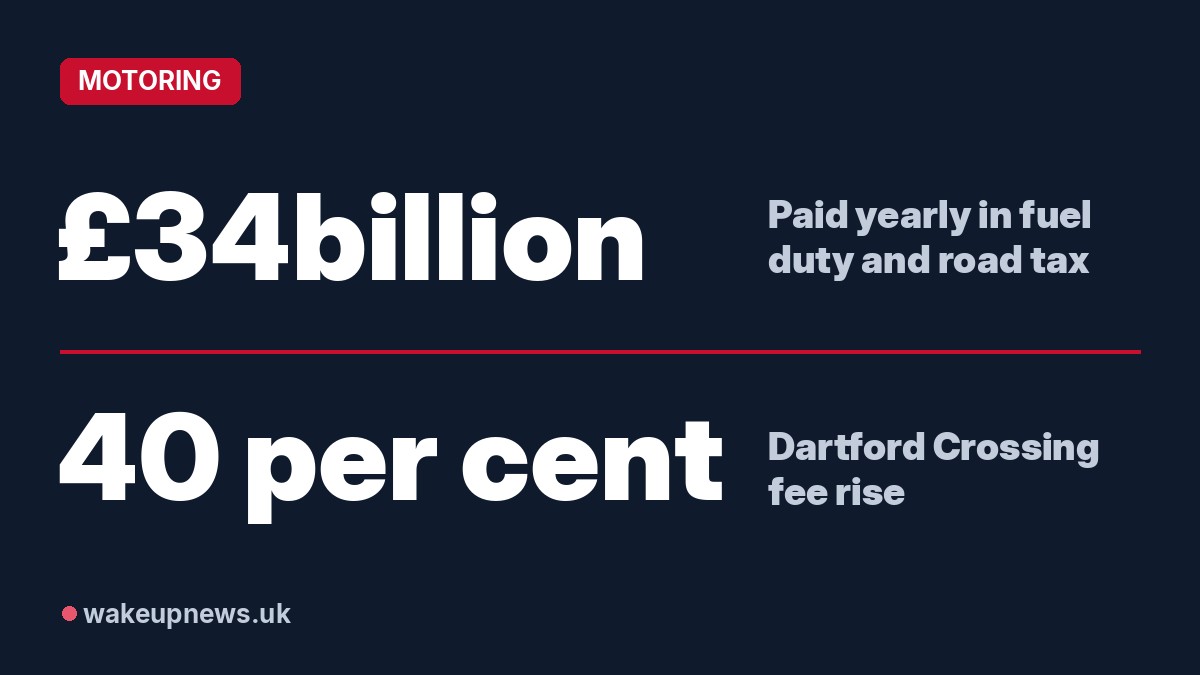
- 40 per cent: the rise in Dartford Crossing fees on September 1 last year.
- £34billion: what Edmund King of the AA says motorists already pay each year in fuel duty and road tax.
- Three pence per mile: the Electric Vehicle Excise Duty electric car owners will pay from 2028.
- 1.5p: the per-mile rate for plug-in hybrid drivers under the same duty.
- £24billion: what the Department for Transport calls its record investment to fix roads and mend potholes.
What happens next for the Highways (Financing) Bill
This is a Bill, not a law, so nothing changes for drivers yet. It still has to pass through Parliament, and no dates for its debates or votes, or for when the first licences could be issued, have been given in the reports. No specific road has been named as a candidate for a private toll.
Mr Holden has linked the Bill to what he called a "stealth tax bonanza" in Prime Minister Andy Burnham's first Budget. That is the Conservatives' prediction, and the Government has not confirmed any new motoring charges for the Budget.
What you can do now
If you regularly drive on major roads in England, keep an eye on any plans to widen or extend them near you, because those are the kinds of routes the Bill covers. Local road schemes are usually publicised before work begins, and that is when tolling plans would be likely to come out.
If you have views on the Bill, you can write to your MP while it is going through Parliament. MPs are able to question ministers and push for changes, such as clearer limits on how high tolls can go and how long licences last.
If you use the Dartford Crossing or drive an electric car or plug-in hybrid, it makes sense to include those costs in your household budget now. The per-mile duty starts in 2028, so EV drivers have time to check how many miles they cover in a typical year.
Your questions answered
Will I have to pay a toll on roads I already use
Only if the road is upgraded to increase capacity, or is newly built, because those are the roads the Bill covers. Even then, the Department for Transport says a licence holder could not introduce a new toll without permission. No road has yet been named for a private toll.
Who decides how much a toll would cost
The Office of Rail and Road would set a maximum toll level, based on the operator recovering its economic costs, GB News reports. The Transport Secretary would have the final say on consenting to a licence. Mr Holden argues there is no proper thought about a cap, while the Government says all tolls would be capped and independently regulated.
Can a private firm keep a toll licence forever
Documents linked to the Bill say a licence could last for a specific period or until it is revoked. Either the Office of Rail and Road or the Secretary of State could revoke it. How long licences would typically last has not been published.
Sources
This report was written by the Wake Up News Desk from the reporting and official documents listed below. Figures are taken from these sources. Spotted an error? Email hello@wakeupnews.uk.