No DWP driving licence bans yet as debt recovery rules await October
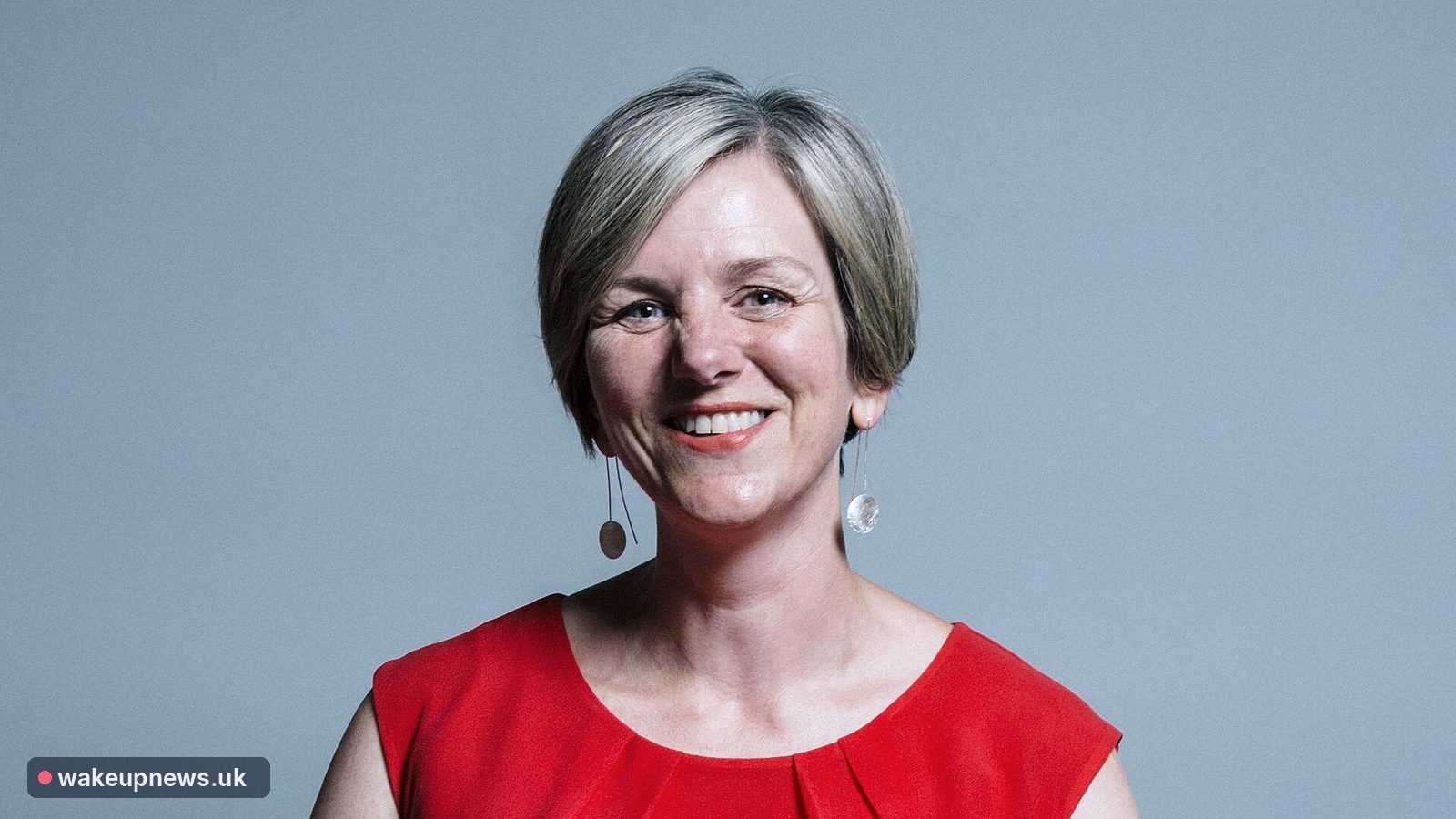
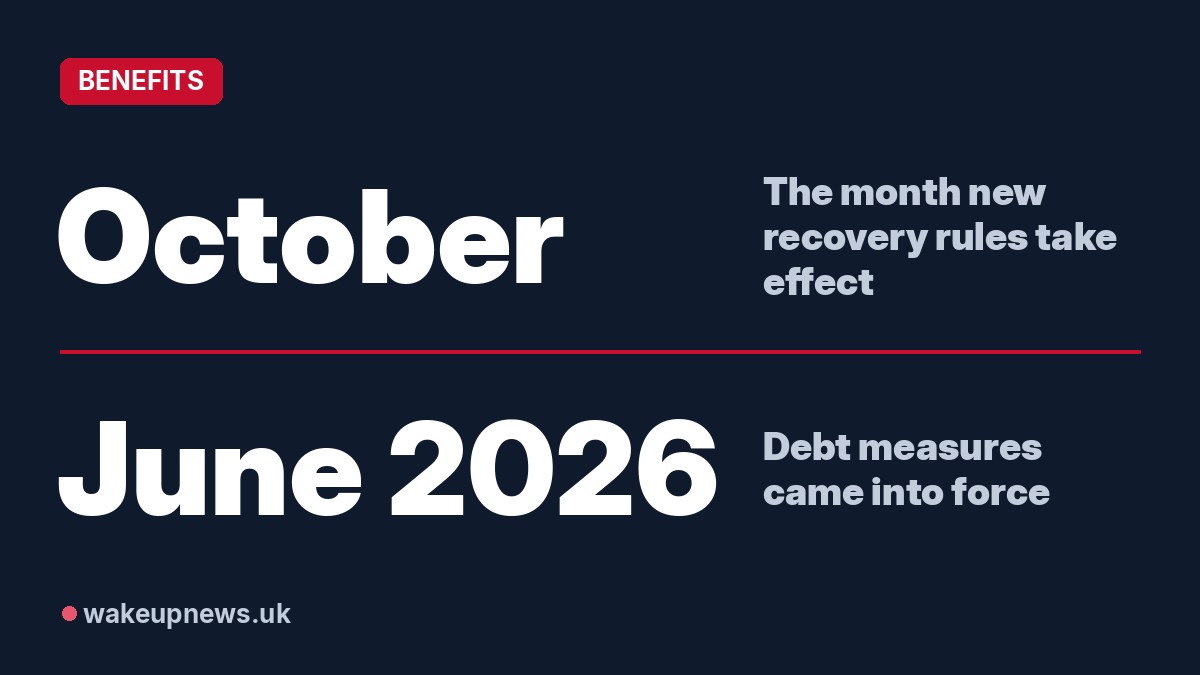
Lilian Greenwood, Parliamentary Under-Secretary of State for the Department for Work and Pensions, has told Parliament that no driving licence disqualifications have yet been issued against people who owe the DWP money. She said the supporting regulations behind the department's new debt recovery powers will not come into force until October, even though the debt measures themselves commenced in June 2026. The powers come from the Public Authorities (Fraud, Error and Recovery) Act 2025, which also lets the DWP recover money straight from a person's bank account.
The update came in a written answer to Andrew Snowden, Conservative MP for Fylde. He asked how many licence disqualifications the department had applied for against debtors who refuse to repay despite having the means. According to the Daily Mirror, which reported the exchange, the answer so far is none, because the rules that make the powers work in practice are still being put in place.
For anyone on benefits, or anyone who has been overpaid in the past, the detail matters. These tools reach beyond benefit payments into bank accounts and, in the most serious cases, driving licences. Knowing how and when they can be used is the best protection against being caught out.
How the new bank and licence powers work
According to the Daily Mirror, the Act aims "to enable DWP to more effectively identify, prevent and reduce fraud and error within the social security system and the efficient recovery of debt". Its debt powers are being brought in gradually rather than all at once. One of them is the Direct Deduction Order, or DDO, which the DWP can send to a person's bank so that money owed is paid over from their account.
The DWP has described this as a step taken "as a last resort", and says it will carry out an affordability assessment before issuing an order. The driving licence power goes further. The department said that "in the most serious cases", where someone has failed to repay a debt "without reasonable excuse", it can apply to a court to temporarily disqualify them from holding a licence, but only where the court is satisfied the person had the means to repay and did not without good reason.
Separately, the DWP can now issue Eligibility Verification Notices, known as EVNs. These instruct banks to cross-check account holder data against specific eligibility criteria, to spot undisclosed savings or income that could affect someone's benefit entitlement. The reports do not say how many accounts will be checked or how often, and the DWP has not published that detail in the material reported.
Who could face a bank deduction or licence ban
The bank deductions and licence bans are aimed at people who owe money to the DWP, such as benefit claimants who have built up a debt and refuse to repay it. The DWP's own wording makes clear that the bank route is meant for when other recovery has failed, with an affordability check first. A licence ban needs a court to be satisfied that the debtor could pay and chose not to without good reason.
Bank checks under EVNs work differently, because they are about whether claimants have declared their finances accurately rather than about existing debts. The sources do not set out which benefits are covered, any savings limits that would trigger a check, or any groups who are exempt. No pound figure has been given for how much the DWP expects to recover through these powers.
The Act also reaches beyond the benefits system. The Public Sector Fraud Authority, which sits within the Cabinet Office, has been given powers including information notices and search and seizure rights. These let it investigate fraud across the public sector, beyond the tax and social security systems.
Key numbers
- December 2, 2025: the date the Public Authorities (Fraud, Error and Recovery) Act received Royal Assent.
- June 2026: when the debt measures in the Act commenced, according to the minister.
- October: when the supporting regulations for the new recovery powers are due to come into force.
- 2026 and 2029: the years between which the Act's different measures are due to start, on different dates.
What happens next for the October rules
Ms Greenwood said the regulations that will "further develop the operational framework" for the recovery powers will not come into force until October. She linked the lack of any licence cases so far directly to that timetable. Other parts of the Act are due to start on different dates between 2026 and 2029, so more changes are still to come.
The minister did not say how many licence applications or bank deductions the department expects to make once the regulations are in force. No such figure has been published. Readers should expect the powers to move from paper into practice from October onwards.
What you can do now
If you claim benefits, make sure the DWP has an accurate and up to date picture of your savings and income. EVNs are designed to find undisclosed money in bank accounts, so report any change in your circumstances promptly through the account or contact route you normally use for your benefit.
If you already owe the DWP money, engage with the department rather than ignoring letters. The new powers are aimed at people who fail to repay without good reason, and the DWP says an affordability assessment comes before any bank deduction. If you cannot afford what is being asked, tell the DWP and explain your circumstances, and consider speaking to a free, independent debt advice service.
Keep copies of every letter about an overpayment or debt, along with your replies and any proof of your income and outgoings. If a court were ever asked to consider a licence ban, the question would be whether you had the means to repay and a good reason for not doing so.
Your questions answered
Can the DWP take money from my bank account without warning?
The DWP says it can recover money owed from a bank account by issuing a Direct Deduction Order to the bank, but only as a last resort. It also says it will carry out an affordability assessment first. The reports do not set out the full notice process a person would receive.
Has anyone lost their driving licence under the new powers yet?
Not so far. Lilian Greenwood told Parliament that no driving licence disqualifications have yet been issued. She said this was because the supporting regulations do not come into force until October.
Does the DWP look at everyone's bank account?
Under Eligibility Verification Notices, the DWP can instruct banks to check account holder data against specific eligibility criteria to find undisclosed savings or income that may affect benefits. The reports do not say how many accounts will be checked or which benefits are covered. Those details have not been published in the material reported.
Sources
This report was written by the Wake Up News Desk from the reporting and official documents listed below. Figures are taken from these sources. Spotted an error? Email hello@wakeupnews.uk.