12 million under-16s face social media ban from March, Labour confirms
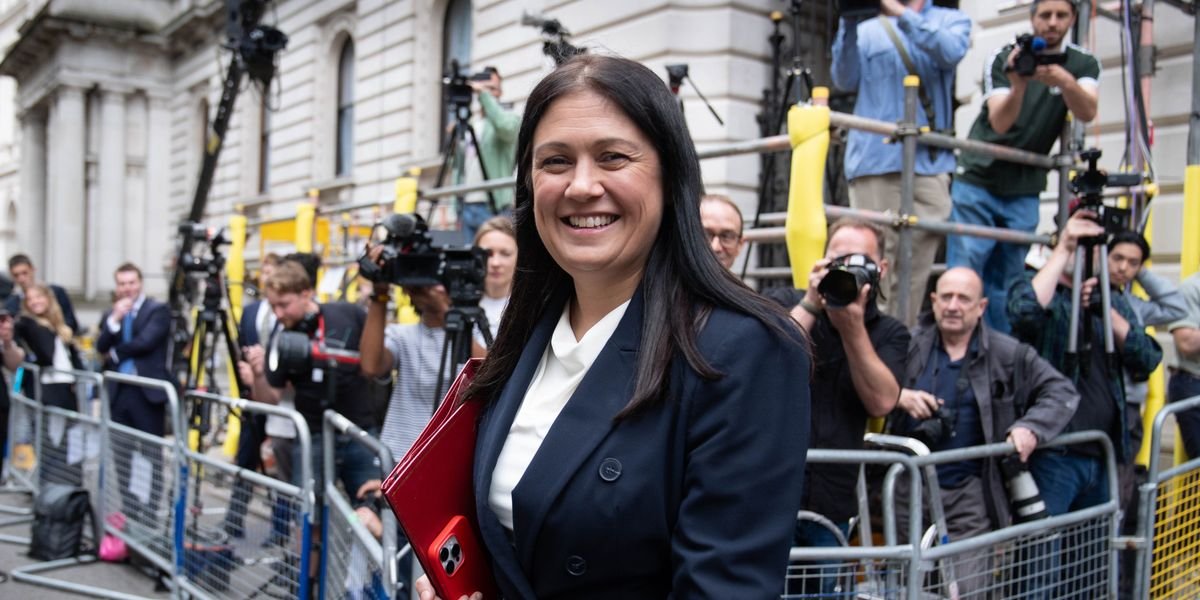
Labour has finally set a date for its social media ban for children. Culture Secretary Lisa Nandy told an event at the party's conference in Liverpool on Sunday that the ban on under-16s will start in March next year.
Sir Keir Starmer, who was Prime Minister at the time, announced the policy in June. He called it an "Australia-style" ban and said it would "protect children". It will cover more than 12 million young people across the country.
The list of platforms is long. Under-16s are set to be blocked from TikTok, Instagram, Threads, Facebook, X, YouTube, Snapchat and Reddit. For many families, those are the apps teenagers use to talk to friends, watch videos and keep up with school group chats.
Ms Nandy called the measure an "amazing force for good" and said it would make Britain a "pioneer" in online safety. "I'm determined that we will change the rights of children forever," she said. She also said it was a "sign of failure" that a ban was needed at all. She blamed tech firms, and the Online Safety Act itself, for not cracking down hard enough.
Not every app may stay banned. Ms Nandy said the Government would judge each platform on "safety by design" and a "safety by feature-led approach". According to the Culture Secretary, the new law will target features that ministers consider unsafe, not just named apps. Companies that change their products could get themselves "essentially off that list", she said, adding that it was up to them.
The evidence from Australia is a reason for caution. Its Social Media Minimum Age Act came into force in December 2025. Researchers surveyed 408 Australians aged 12 to 17 before the rules began and again three months later. More than 85 per cent of under-16s said they were still using the platforms covered by the law, mostly through their own accounts. Two-thirds had been through age checks, but many said they simply found ways around them. The authors reported "little evidence" of any immediate real drop in use.
The start date was announced just days after Prime Minister Andy Burnham unveiled a new "National Centre for Information Defence". He said it would tackle what the Government calls online "disinformation" about Britain. Reform UK leader Nigel Farage compared the unit to "George Orwell's Ministry of Truth" and warned that it would be used to "clamp down on free speech".
For ordinary households, the practical point is simple. From March, parents and grandparents may find that the apps their youngsters rely on are suddenly shut off to them. Meanwhile, the only real-world trial of the idea so far suggests most children carried on regardless. Families will want to see exactly how the checks work before ministers declare it a success.