MPs back £180 TV licence swap for a levy on every home, TV or not
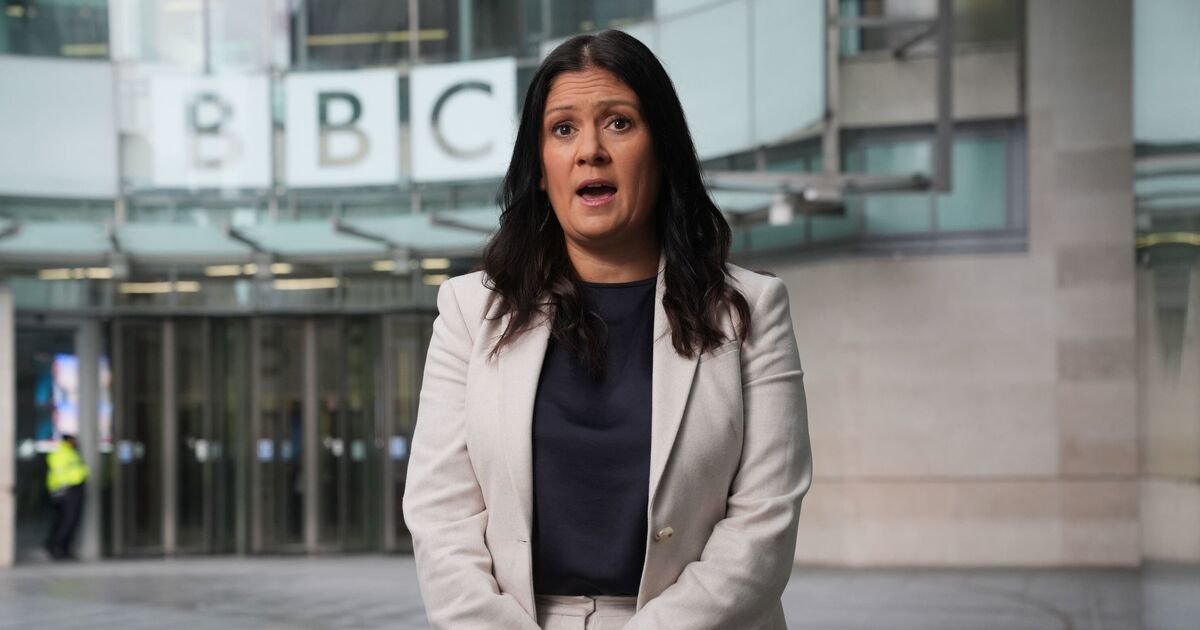
A committee of MPs has told the government that every household in Britain may have to pay for the BBC, whether or not it owns a television or ever watches a BBC programme. The Commons Culture, Media and Sport Committee urged Culture Secretary Lisa Nandy to consider a compulsory household levy to replace the current £180 TV licence. According to the plans, the charge could be collected through council tax bills or added to the cost of internet services.
Behind the idea is a fall in the number of people paying. According to the report, 23.3 million households hold a licence, but that number dropped by more than half a million last year. An estimated 27 million households have a television. The BBC believes 94% of people use its services each month, while only 80% of households pay.
Under the current rules, you need a licence to watch live television, including channels streamed online that run to a schedule. You also need one to use BBC iPlayer. You do not need one to watch on-demand programmes on other services. That is why many households, especially those who rely on streaming, have stopped paying without breaking the law. A levy would take that choice away.
The committee admitted the idea would be controversial. Its report called the licence fee "outdated and no longer fit for purpose" and said the government's best next step was to reform it so it is no longer linked to owning a television set. It also said ministers should "keep an open mind" on a household levy as a long-term answer. Other options, such as advertising on the BBC or a subscription fee, were judged to have drawbacks.
Committee chair Dame Caroline Dinenage warned that carrying on as things are would condemn the BBC to "managed decline". She compared the broadcaster to a much-loved family member that people grumble about but would miss if it were gone. BBC Director General Matt Brittin has also backed a household levy.
Lisa Nandy sounded less keen. She told the inquiry that the falling number of payers was "an existential threat to the BBC". She accepted that a levy would be simpler, but said it was also potentially more regressive. With the cost of living biting, she said a new tax on households was too much to ask most families to accept, and that the government was instead looking at ways to "expand the scope" of the fee. She did not set out what that would mean in practice.
Any decision will come through the review of the BBC's Charter, which expires at the end of 2027. No levy has been agreed and no amount has been set. The committee also called on the government to force social media firms to give more prominence to BBC news.
For ordinary households, the direction is clear even if the details are not. The people who legally walked away from the licence by giving up live TV are exactly who these plans are aimed at bringing back. A flat charge on every home, collected alongside council tax or broadband, would hit hardest those with the least to spare, as the Culture Secretary herself admitted.