Burnham launches information unit linked to police and social media
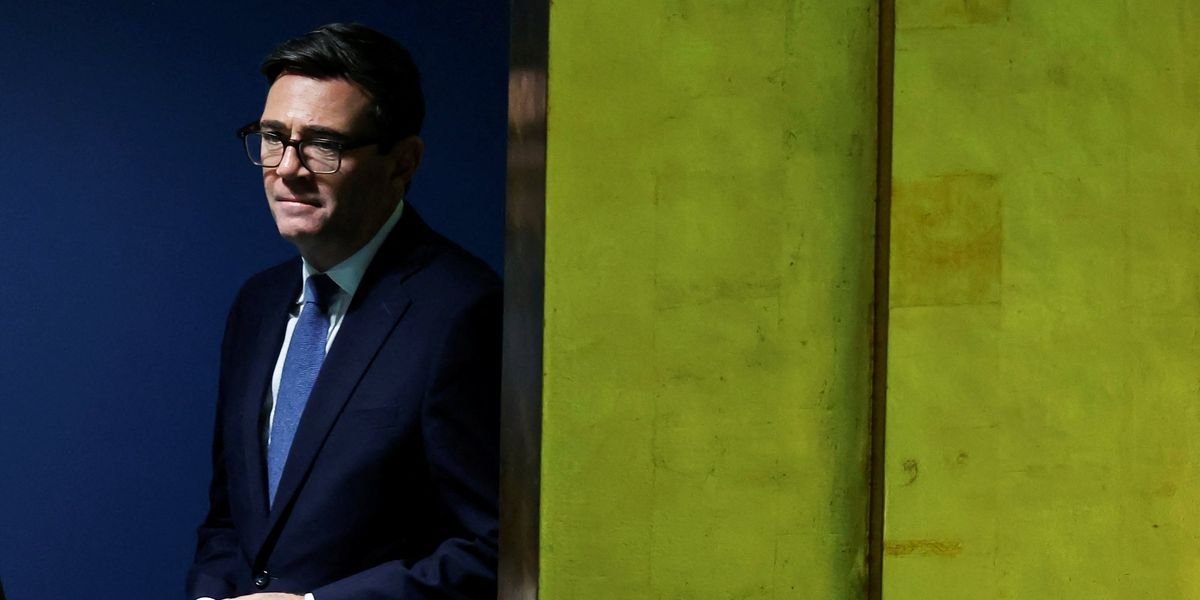
Prime Minister Andy Burnham has told the United Nations he is setting up a new body called the National Centre for Information Defence, and has ordered security chiefs to build it. Its job, according to the announcement, is to detect, attribute and disrupt what it judges to be hostile information attacks and deepfakes that damage British interests. In plain terms, deciding what counts as untrue about Britain is about to become a Whitehall function.
The new quango will initially be run out of the Office for the Prime Minister and Cabinet. That matters, because it puts the unit inside Downing Street rather than at arm's length from it. The centre is also set to work alongside the intelligence agencies, other government departments, the police and social media companies, which is an unusually wide set of partners for a body dealing with words and posts rather than crimes.
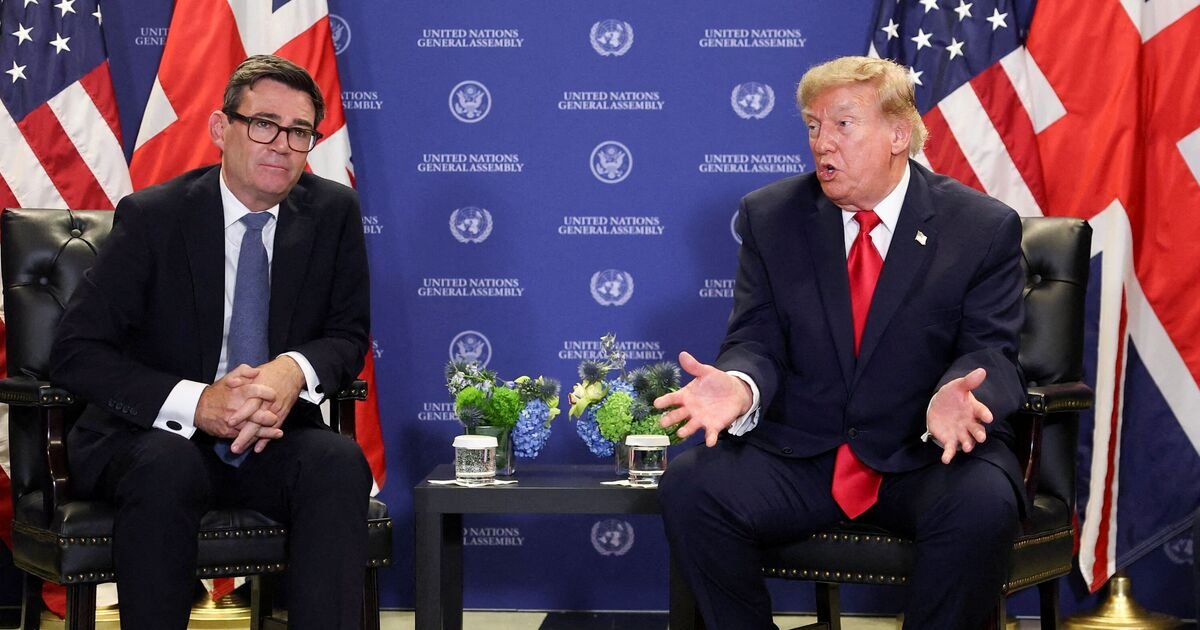
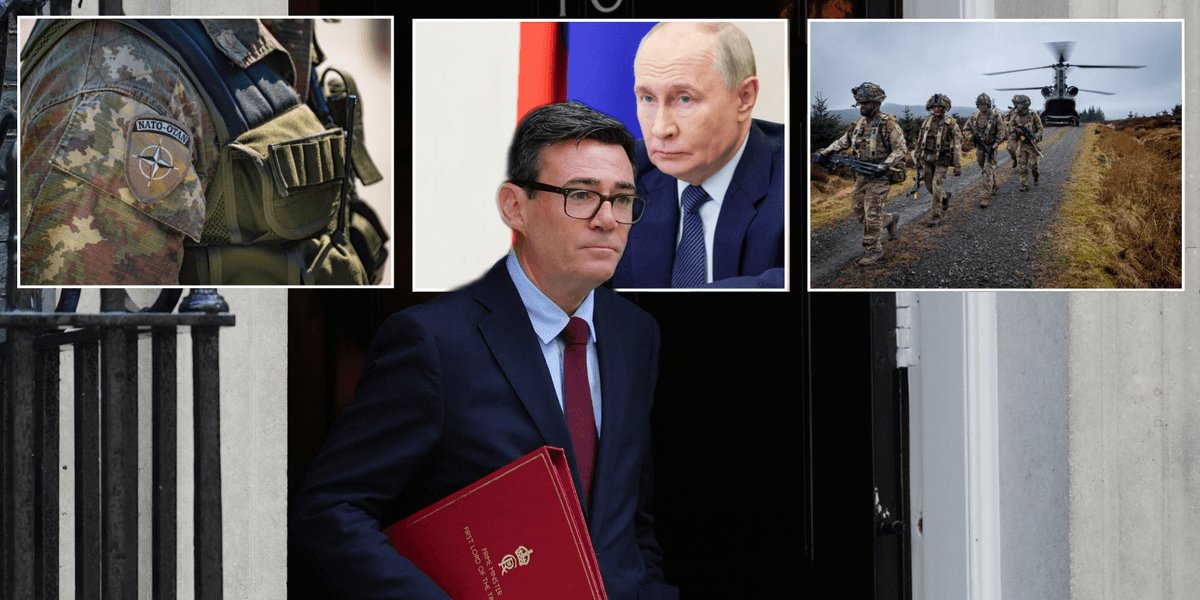
Mr Burnham framed the move as national security. He told world leaders there was no national security without a strong and cohesive society, adding that this foundation had come under attack. He accused Russia of what he called an industrial scale assault by hostile actors on the information environment, and said the Kremlin had used every means available to spread lies and prey on people's fears.
The specific claims were these. The Prime Minister said bots and fake websites had been used, that newspaper articles had been falsified, and that the branding of 28 British organisations had been forged, including universities and the BBC. He also said there was evidence of attempted interference in the 2019 General Election, and accused Moscow of trying to stoke tensions and unrest after distressing events, describing that as repulsive.
The announcement sits alongside other measures already in train. United States officials have raised concerns about proposed social media bans for people under 16, the Online Safety Act, and plans to promote what ministers call trusted and accurate news outlets, a list said to include the BBC, ITV and Channel 4. Senior British officials were called into the American embassy in London last week to answer questions about the internet crackdown.
Not everyone accepts the security framing. Nile Gardiner, a former aide to Margaret Thatcher, told GB News the speech was talk of control and censorship, and described the message on artificial intelligence as chilling and Orwellian. He predicted it would cause friction with Washington, saying Donald Trump has already spoken against regulations of this kind on the grounds that they end up controlling free speech.
The gap between the two governments is now open. Hours before the speech, Mr Trump said the United States would only encourage what he called super intelligence and had no intention of reining it in, saying America leads the world in the field and will continue to do so safely and responsibly. Mr Burnham used his own address to position Britain as a leader in AI regulation instead.
For ordinary households, the practical question is not Russia. It is what test this new centre will use, who inside it makes the call, and what happens to an ordinary person's post once a government unit decides it is part of a distorted narrative. The announcement set out the partners and the powers to detect, attribute and disrupt. It did not set out an appeal route for anyone who thinks the unit has got it wrong.