£10 fine for not voting: Labour peers push to make ballots compulsory
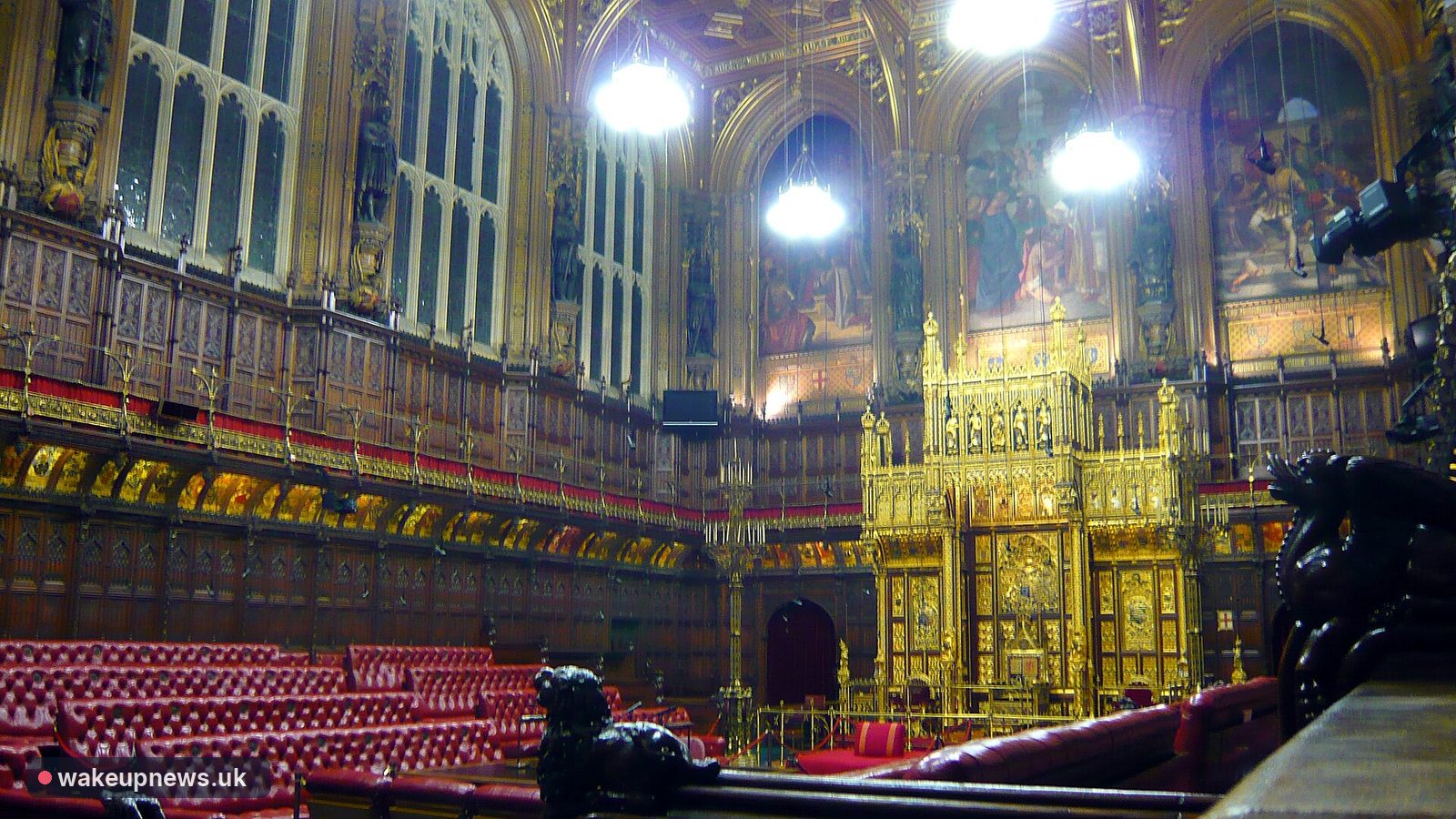
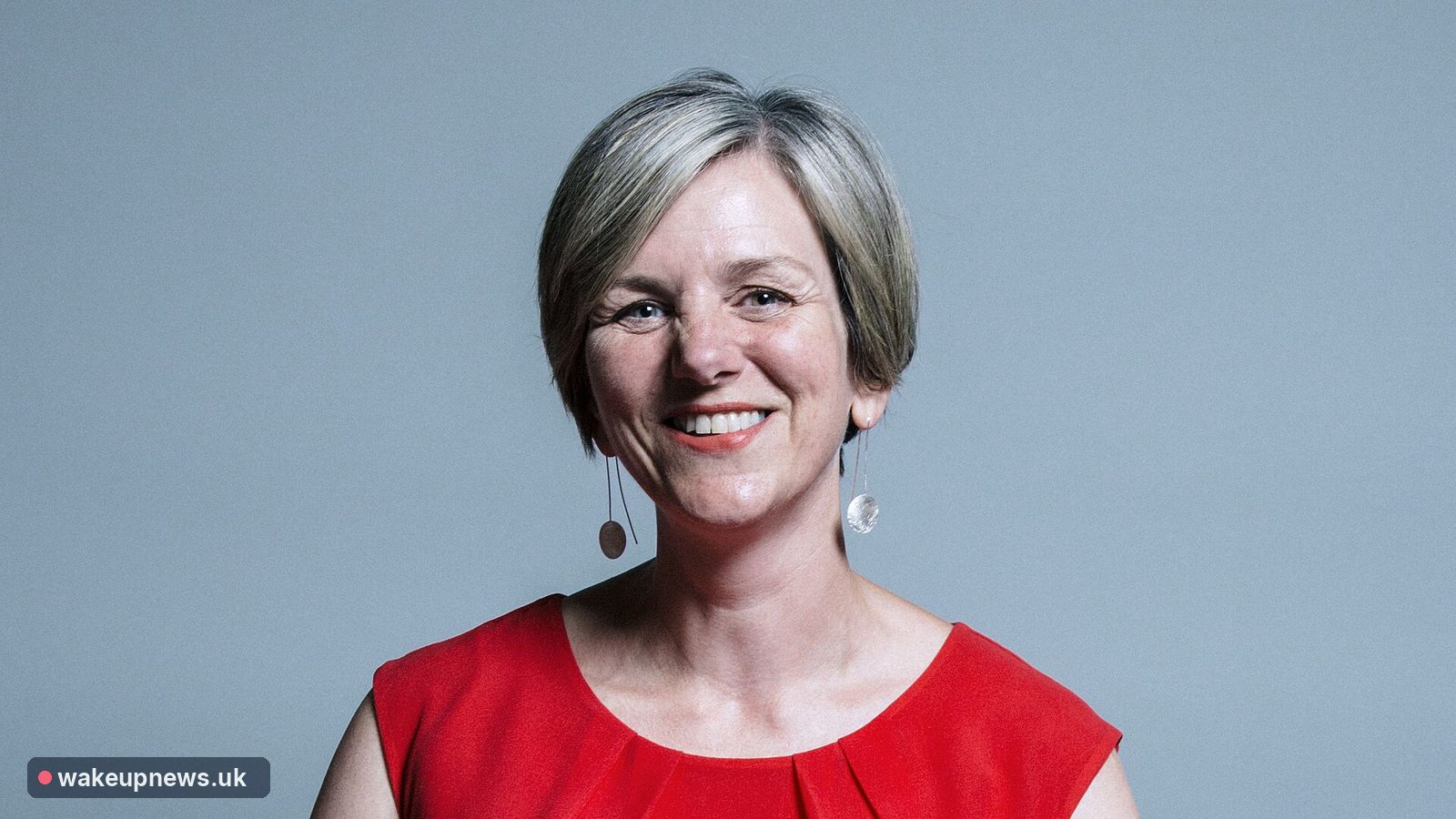
Voters who stay at home on polling day could face a £10 fine under a compulsory voting plan that Labour peers want added to the Government's Representation of the People Bill. GB News reports that Baroness Jan Royall has confirmed she intends to move an amendment on compulsory voting as the Bill goes through the House of Lords. Proposals put forward earlier in the Bill's passage included a £10 penalty for anyone who fails to take part without a valid exemption.
Former Labour leader Lord Neil Kinnock backs the push. He said compulsion was becoming "increasingly justified and necessary". GB News says former Home Secretary Lord David Blunkett is also expected to support the move, along with Lord George Foulkes. Andy Burnham is being urged to adopt the idea amid claims that falling turnout is producing "distorted" election results.
For now this is a proposal from peers, not Government policy. So far ministers have described a different approach, which is to make it easier to register and vote rather than to penalise people who do not.
How the £10 compulsory voting plan would work
Under the model GB News describes, the legal duty would be to take part, not to back a candidate. Voters could hand in a blank or spoiled ballot instead of choosing anyone. The £10 penalty would only apply to people who failed to take part without a valid exemption.
Lord Kinnock says the case rests on what he saw abroad. He pointed to Belgium, where voting is compulsory and where he lived for 10 years, and said the high turnouts and level of engagement there "strongly assists democracy". He warned that when turnout falls, "accountability can be diminished and disengagement from community obligations becomes habitual". He added that democracy and citizenship in the UK "would benefit greatly from a comparable system of legal obligation".
Charles White of the Campaign for Compulsory Voting called the proposal a "common sense reform". He said that "waiting for turnout to fix itself is no longer an option". Critics see it differently. They argue that forcing people to the polls does not necessarily make them better informed or more engaged, and that citizens should keep the freedom not to take part in elections at all.
Who would have to vote and who could be let off
The plan would make voting a legal duty across Britain, with exemptions for people who have good reason not to take part. According to GB News, the proposed exemptions include illness or disability, being away from the UK, and sincerely held religious or conscientious objections.
Anyone else who did not take part would face the £10 penalty. No details have been published on how the fine would be issued, collected or challenged. It is also not yet known whether the duty would cover every type of election or only general elections.
Readers who already vote regularly would see little change in practice. The bigger question is for people in poor health, people with limited mobility and people who spend long spells abroad. Nobody has yet explained how an exemption would be claimed or checked.
Key numbers
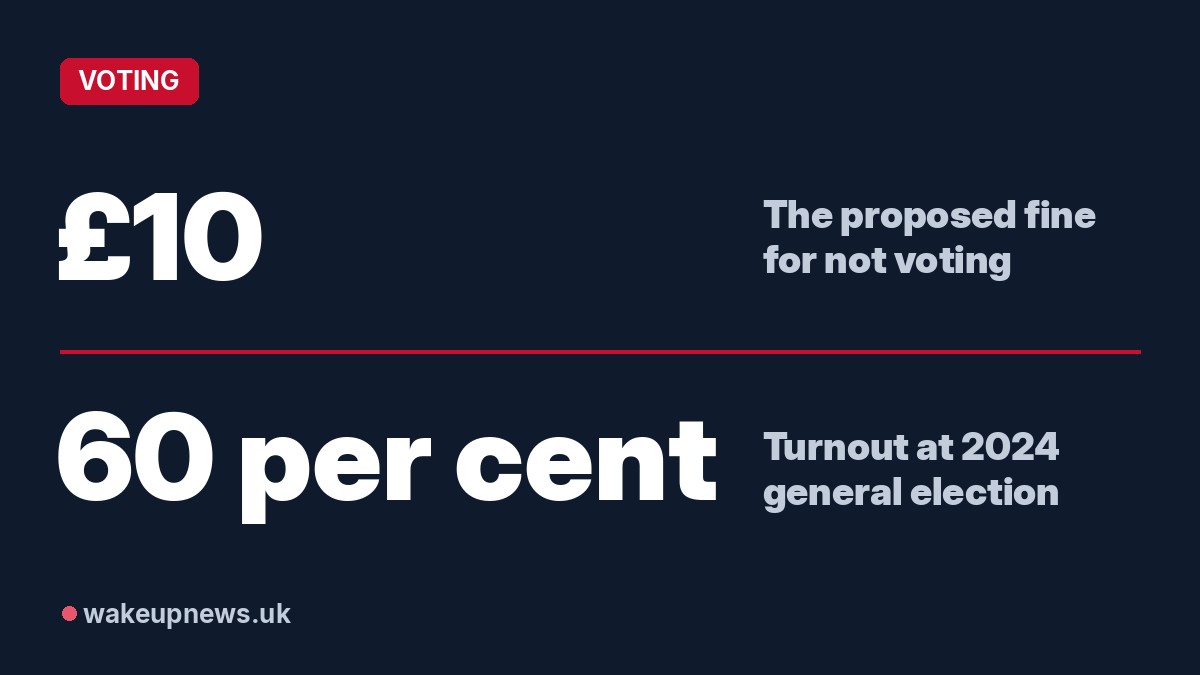
- £10: the penalty proposed earlier in the Bill's passage for failing to take part without a valid exemption.
- Around 60 per cent: turnout at Britain's 2024 general election, according to GB News.
- 2001: the 2024 turnout was the lowest at any general election since that year.
- Around 91 per cent: turnout at Australia's 2025 federal election, where voting is compulsory.
- 16: the new minimum voting age the Government wants to bring in through the same Bill.
- 2012: the year Mr Burnham, then on Labour's front bench, refused to rule out compulsory voting and warned turnout was "getting too low to ignore".
What happens next for the Representation of the People Bill
The Bill has completed its Commons stages and is now before the House of Lords. Baroness Royall has said she intends to move her compulsory voting amendment there, but no date for a debate or vote has been published. Nothing changes yet, and there is currently no fine for not voting.
The Government has not backed the idea. A Government spokesman said that "different democracies make different choices about how they encourage electoral participation" and that ministers are focused on "removing barriers to participation". The spokesman pointed instead to the Bill's plans to give 16 year olds the vote and move towards an automated voter registration system.
What you can do now
There is nothing to pay and no new rule to follow at this stage. To make sure you can vote in future elections, check with your local council's electoral registration office that you are on the electoral register, especially if you have moved home recently.
If you have a view on compulsory voting, now is the time to share it, while the Bill is still being debated. You can write to your MP or to a member of the House of Lords. Readers with a long-term illness or disability, and people who are often abroad, may want to follow how any exemption rules are worded if the amendment goes forward.
Your questions answered
Will I be fined £10 if I do not vote at the next election?
No. The £10 penalty is only a proposal and is not part of the law. Baroness Royall intends to put forward an amendment on compulsory voting in the House of Lords, but no vote has taken place.
Would I have to vote for a candidate I do not support?
No, not under the model GB News reported. Voters could return a blank or spoiled ballot instead of choosing a candidate. The duty would be to take part, not to back anyone.
What has the Government said about compulsory voting?
A Government spokesman did not back the idea. He said the focus is on making it easier for eligible electors to register and vote. He pointed to plans in the Bill to give 16 year olds the vote and to move towards automated voter registration.
Sources
This report was written by the Wake Up News Desk from the reporting and official documents listed below. Figures are taken from these sources. Spotted an error? Email hello@wakeupnews.uk.