£72m to Reform: the £100,000 donation cap not yet in law
Two British billionaires are sending £72m to Reform UK, and the sheer size of that sum has pushed the question of who pays for British politics to the top of the agenda at Westminster. The money comes from Ben Delo and Christopher Harborne, cryptocurrency billionaires who until recently were living in Hong Kong and Thailand.
As the law stands today there is no cap at all on what a person can give to a British political party. They can be living here or abroad. The only requirement is that the individual is registered to vote in the UK. That is the rule these donations were made under, and nobody is disputing that it was followed.
Ministers have been working for months on a change that would limit British citizens living abroad to £100,000 each per year. The sting is in the start date. The government wants the cap backdated to 25 March this year, the day a review by the retired civil servant Philip Rycroft was published, whose first recommendation was an annual cap on donations from British voters living abroad. On the same day the then cabinet minister Steve Reed told the Commons the figure would be £100,000 and that it would apply retrospectively from that point.
The law has not changed yet, and one of the most important details is still blank. Nobody has decided what counts as no longer living abroad. It could mean being on the electoral roll at a UK address. It could mean being resident here for tax purposes. Reform has not said precisely when the two men moved back.
The Communities Minister Baroness Taylor told the Lords that Britons returning from abroad who want to donate without limit must demonstrate what she called a genuine and ongoing connection to the United Kingdom, and that the government is considering how to strengthen residency rules, including how long a donor has to spend in the country. The bar looks like being set high.
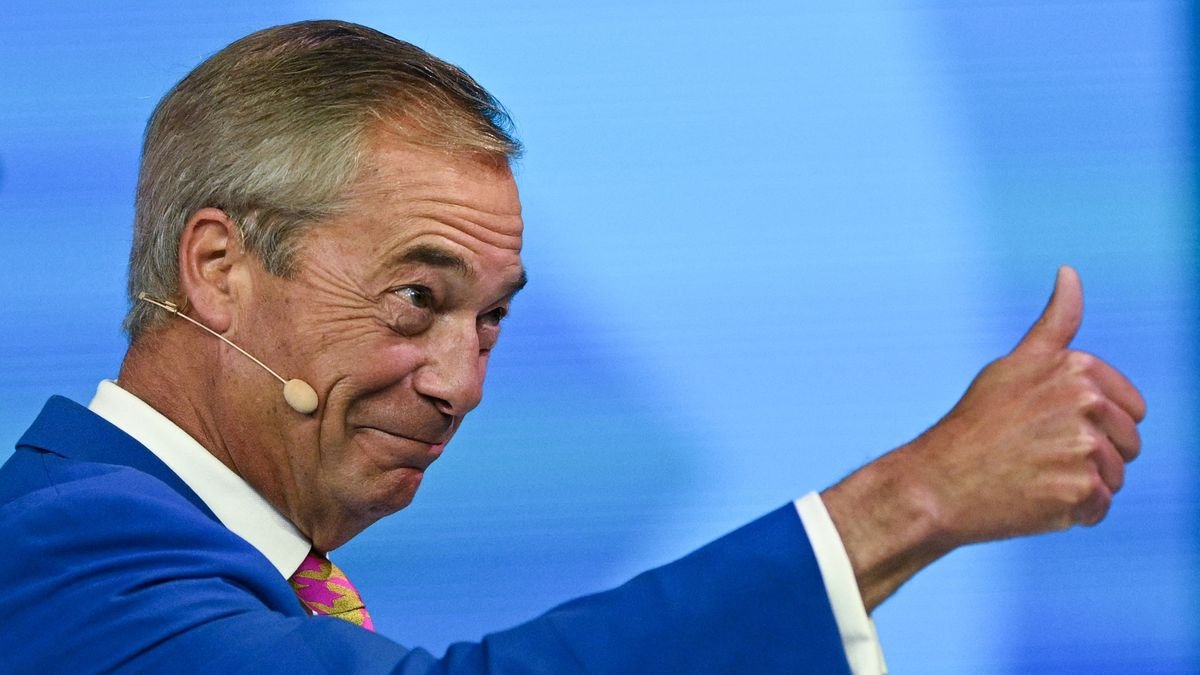
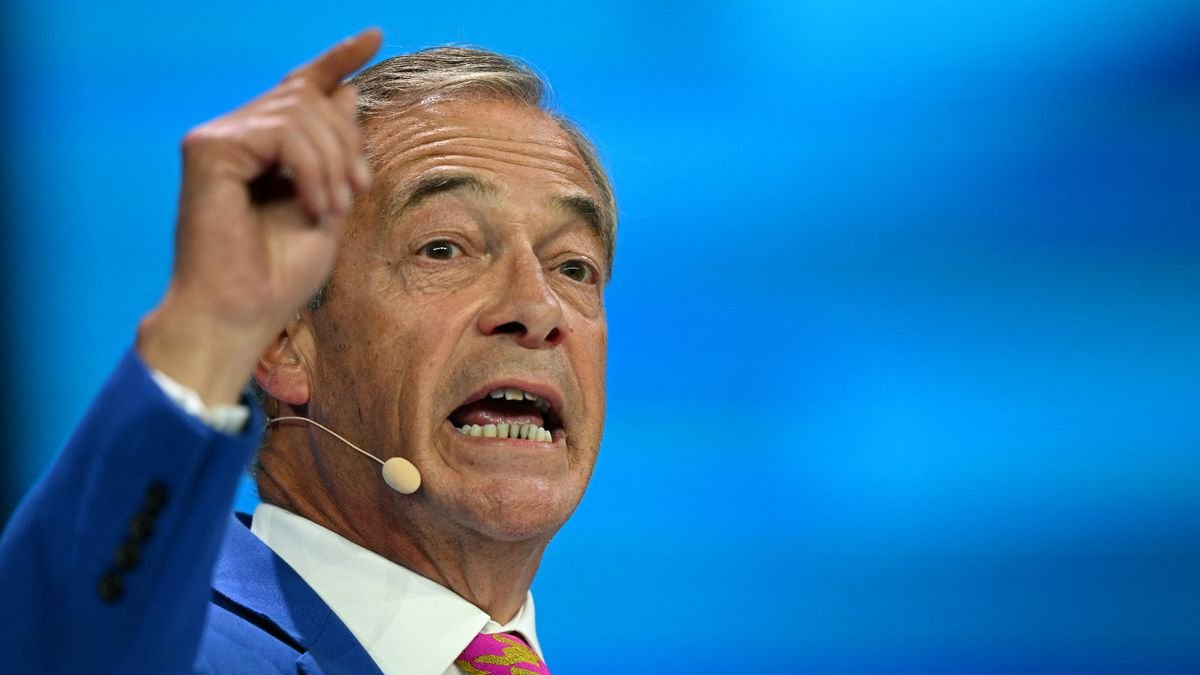
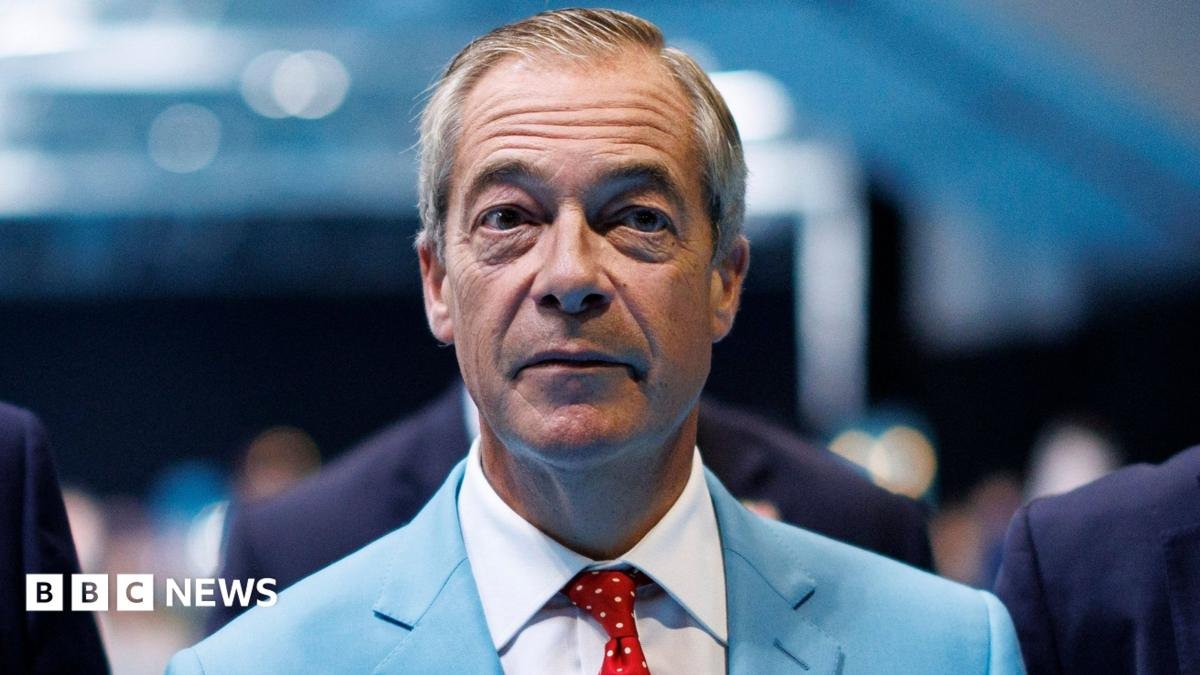
Nigel Farage insists the money is lawful. "Both these donations are 100% compliant with the law today, of that there is no question whatsoever," he told the BBC. He added that "you cannot confiscate money that has been given legally within the law as it stands." That is an argument about fairness rather than about the statute book, because if Parliament changes the law, the law of the land changes with it.
Farage has also threatened that a Reform government would cut off party funding from the trade unions if ministers press ahead. Labour received £5m from affiliated unions last year and £12m in 2024, the year of the last general election.
Other ideas are now in play. The general secretary of the Unite union has suggested a domestic cap of between £500,000 and £1m a year, which supporters say would push parties towards many small donations rather than a handful of enormous ones. Critics warn it would lead to calls for state funding, with taxpayers picking up the bill. There is also talk of limiting what parties spend between elections, on top of the limits that already apply just before polling day.
None of this lands directly on a household budget. What it decides is whose phone calls get returned when policy is being written. When one donor can hand a party more than the unions gave Labour across two years, it is worth remembering that every politician arguing about these rules has their own funding to protect.