Lib Dems urge Burnham to set up civilian war register as crisis advice looms
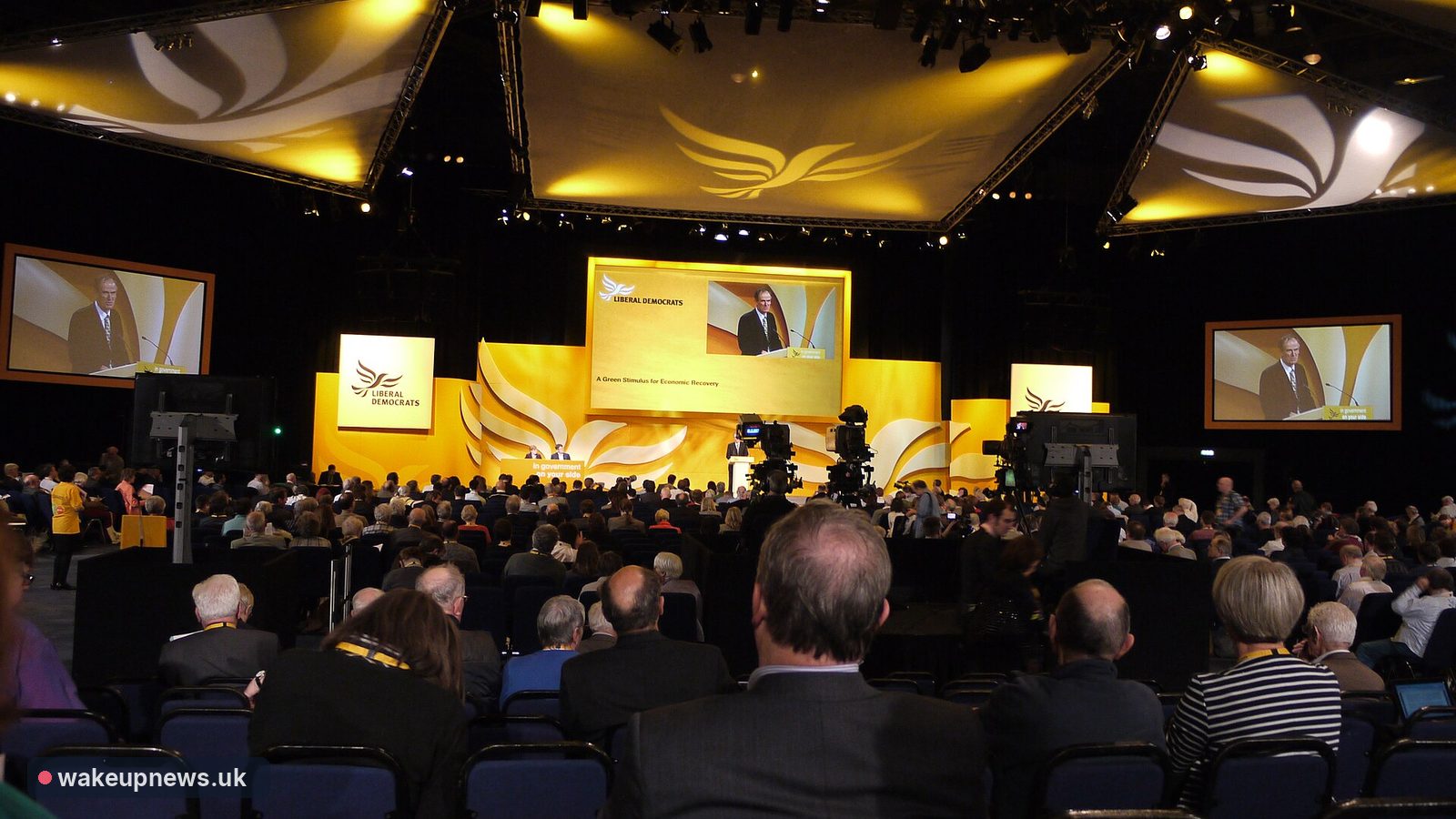
The Liberal Democrats have urged Prime Minister Andy Burnham to set up an emergency register of civilian volunteers who could be called on if Britain came under attack, GB News reports. The party has not put a cost on the idea or said how it would be paid for. Its aim is to give ordinary Britons a formal way to help in a crisis, with the preparations made in advance.
The party also wants a new post of Civilian Readiness Secretary. It argues that non-military resources should be built up before an emergency, not during one. The proposal comes as the Government is expected to launch a public information drive telling households how to prepare for extreme weather, cyber attacks and hostile state action.
The register idea comes as Mr Burnham faces growing pressure over defence spending. GB News reports that he has so far refused to set a date for spending three per cent of GDP on defence. It adds that John Healey resigned as Defence Secretary over the same issue when Sir Keir Starmer was in charge.
What the Lib Dems want and what the Government is planning
The party has given few details so far. It has not said how people would sign up, what skills it would look for or who would hold the list. A Liberal Democrat spokesman pointed to Finland and other countries that already keep registers like this, and said it was something "a lot of people would be very willing to sign up to if we gave them the option". The party has also called for a UK network to be "more direct" with the public about the dangers the country faces.
The call comes amid serious warnings. GB News reports that Poland, Latvia, Estonia, Romania and Lithuania have all had Russian drones breach their airspace. It also says Britain foiled a Russian plot to disable "critical" undersea cables earlier this year, and that one Western intelligence source warned an attack could come in "months, not years". Poland's Prime Minister Donald Tusk has told his parliament that Russia may target Nato territory in the coming months, and French President Emmanuel Macron called those warnings "sound and well documented".
Separately, the Government's expected national resilience campaign will set out practical steps for a crisis that cuts power or water supplies or forces shops to close. A source told the Financial Times that there would be "practical advice on things you can do to improve domestic resilience, like having some bottled water and tinned food". The source added that it would be "common sense, not scaremongering".
Who would be asked to help, and who pays
The way the Lib Dem spokesman talked about giving people "the option" suggests the register would be voluntary. GB News's headline describes it as a register for civilians to fight, but the party has not published what volunteers would actually do. It has also not said whether there would be age limits, payments, expenses or protection for people who take time off work.
The resilience campaign is aimed at every household. Power cuts, water shortages and closed shops would hit hardest for people who cannot easily get out or stock up at short notice. That makes the advice on keeping a few basics at home relevant to many older readers and their families.
The bigger cost question is defence, which falls on taxpayers. The Government has pledged to meet the Nato defence spending target of 3.5 per cent of GDP as a longer-term ambition. In his June letter to Sir Keir, Mr Healey wrote: "You have been unable, and the Treasury has been unwilling, to commit the resources that the nation needs to defend the country at this time of rising threats."
Key numbers
- Three per cent: the share of GDP to be spent on defence that Mr Burnham has refused to put a date on, according to GB News.
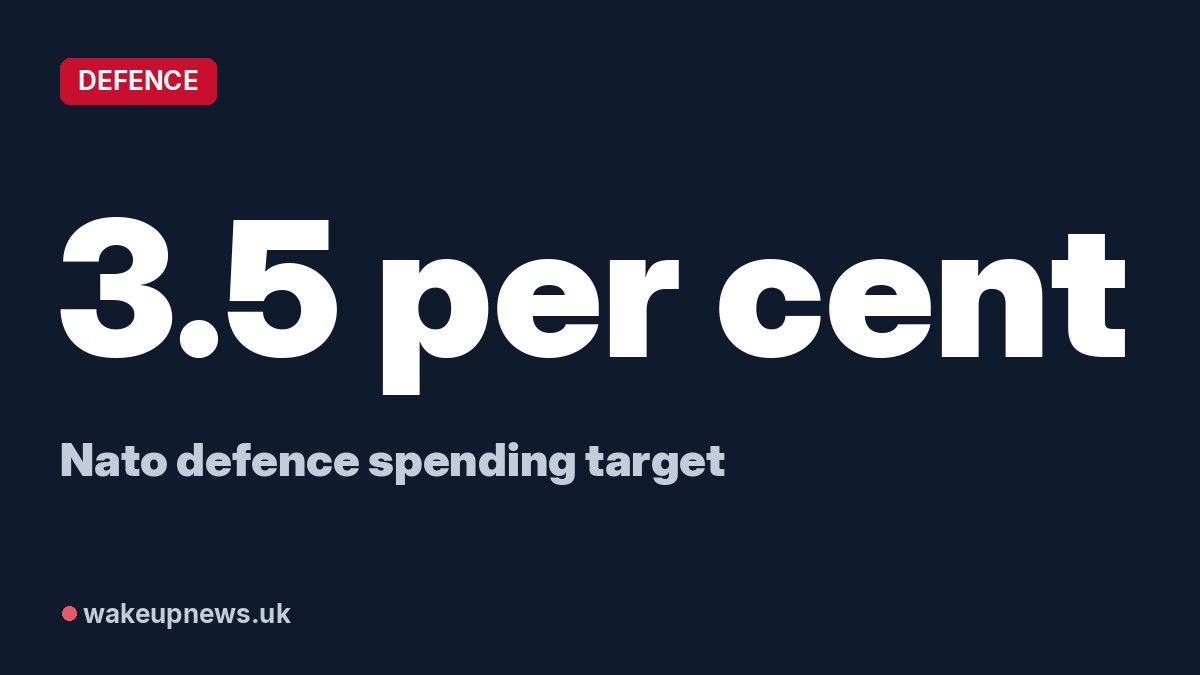
- 3.5 per cent: the Nato defence spending target, as a share of GDP, that the Government has pledged to meet as a longer-term ambition.
- 300,000: the number of troops European leaders fear President Putin could draft as he steps up operations in Ukraine.
- June: the month John Healey wrote to Sir Keir Starmer accusing the Treasury of refusing to commit the resources needed.
- 19th century: GB News says the British Army is now at its smallest since before the Napoleonic wars of that century.
- 22 September 2026: the date on the Government's published record of Mr Burnham's speech to the UN General Assembly.
What happens next with the register and the crisis advice
For now this is only a proposal from an opposition party, so nothing changes yet. There is no civilian register to join and no Civilian Readiness Secretary. The Government has not said whether it will take up either idea, and no launch date has been published for its resilience campaign.
Defence spending is the pressure point to watch. A Government record of Mr Burnham's speech to the UN General Assembly is dated 22 September 2026, but GB News reports that he has still not set a date for the three per cent goal.
What you can do now
There is nothing official to sign up for yet. If anyone asks you to join or pay for a "war register", be wary until the Government confirms a scheme exists. Wait for an official announcement before you hand over any personal details.
On home readiness, the advice trailed so far is modest. The Financial Times source mentioned keeping some bottled water and tinned food. You can build up a small store a few items at a time with your normal shopping instead of buying it all at once.
The campaign is expected to cover power cuts, water supply problems and shop closures, so think about neighbours or relatives who might struggle if any of those happened. Look out for the official campaign when it launches so that you are working from Government advice and not rumour.
Your questions answered
Is the Government setting up a civilian war register?
No. It is a Liberal Democrat proposal, and the Government has not said it will adopt it. No register exists and there is currently no way to sign up.
Would I be forced to join or to fight?
Nothing in the reports says joining would be compulsory. The Lib Dem spokesman talked about giving people "the option" to sign up, and the party has not said what volunteers would be asked to do.
What will the Government's crisis advice say?
The full advice has not been published yet. A source told the Financial Times it would include practical tips such as having bottled water and tinned food, and would be "common sense, not scaremongering". It is expected to cover extreme weather, cyber attacks and hostile state action.
Sources
This report was written by the Wake Up News Desk from the reporting and official documents listed below. Figures are taken from these sources. Spotted an error? Email hello@wakeupnews.uk.