£12,570 tax threshold frozen to 2031: what unions want from Healey
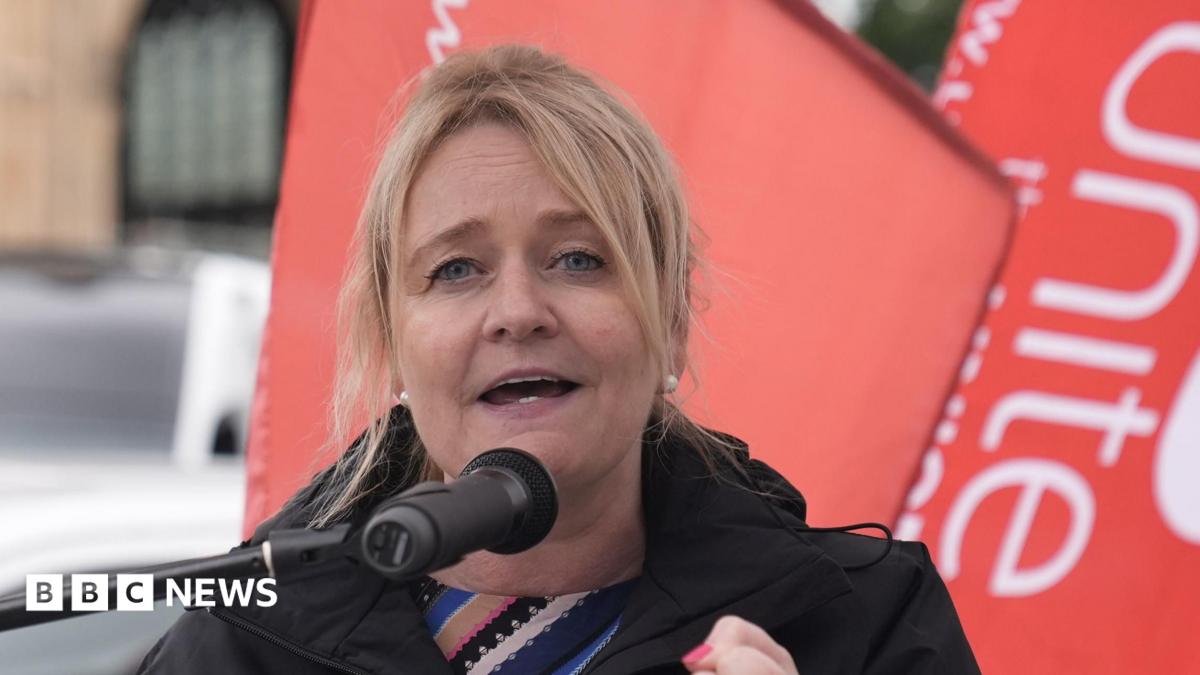
Union leaders whose organisations help bankroll the Labour Party sit down with Chancellor John Healey on Thursday, and top of the list they are bringing with them is the frozen income tax threshold. Unite, the second biggest union in the country, wants the freeze reversed, arguing it has dragged the lowest paid into paying income tax for the first time.
The numbers behind the row are fixed until 2031. The basic rate of 20 per cent is charged on earnings between £12,571 and £50,270. The higher rate of 40 per cent starts at £50,271 and runs to £125,140. Those bands were frozen by Rachel Reeves in her last Budget as chancellor, and because they are not rising with inflation, every pay rise pulls more people over the line.
That affects two groups at once. Workers on low pay who previously earned too little to be taxed are now inside the system, while people further up, including senior nurses, police officers and teachers, have been pushed into paying the higher 40 per cent rate. Unite leader Sharon Graham said the starting point of around £12,500 would have risen to more than £16,000 by now had it never been frozen, leaving those at the lower end paying what she called eye-watering amounts of tax.
Graham has also raised the winter fuel payment, which was restricted to the poorest pensioners under Sir Keir Starmer. She called the cut a disgrace and said she told Andy Burnham the government needed to deliver winter fuel in reverse, something that tells ordinary people it is on their side. Unite took legal action over the restriction at the time.
Unison, the biggest union, is coming with a different ask. According to general secretary Andrea Egan, it wants higher taxes on large tech companies to pay for public sector investment and the move to greener energy, and it wants the Treasury to commission research into whether the tax burden should shift away from income and towards wealth. Egan is not expecting sweeping change at this Budget, but is looking for a clear change of direction rather than what her union calls continuity Starmer with a friendlier face.
GMB, the third biggest, is pressing a separate case. Leader Gary Smith wants the Rosebank and Jackdaw fields in the North Sea approved to raise revenue from oil and gas, saying they are good for jobs and would cut reliance on carbon intensive imports. A decision looks unlikely before the October by election in Sir Keir Starmer's old north London seat, though the government says the timing is not in its hands because the decision is quasi judicial. Smith also wants the house building programme unblocked, pointing to half a million stockpiled bricks and mothballed factories.
Unions that do not donate to Labour, along with TUC officials, get their meeting in the following weeks. TUC leader Paul Nowak says his main demand is reversing the previous government's cut to the bank surcharge, which he argues could raise around £9bn to subsidise energy bills. He also wants the remit of the OBR changed so it counts the value of long term investment rather than short term book balancing.
For households, the practical question is whether any of this survives contact with the Budget next month. The threshold freeze is the quiet tax rise that never gets announced, and unwinding it would cost the Treasury real money, which is why it has lasted. Unions believe this Budget will define what kind of prime minister Andy Burnham turns out to be. Everyone else finds out on the day, when the payslip does the talking.