Martin Lewis: October price cap 'significantly higher' despite gas price fall
Martin Lewis has warned that the energy price cap due in October still looks likely to be "significantly higher" than it is today, even though a recent fall in wholesale gas prices could bring slightly cheaper fixed deals in the short term. The consumer champion made the comments on social media on June 15, after the US and Iran signed a framework deal that he said had pushed natural gas prices down.
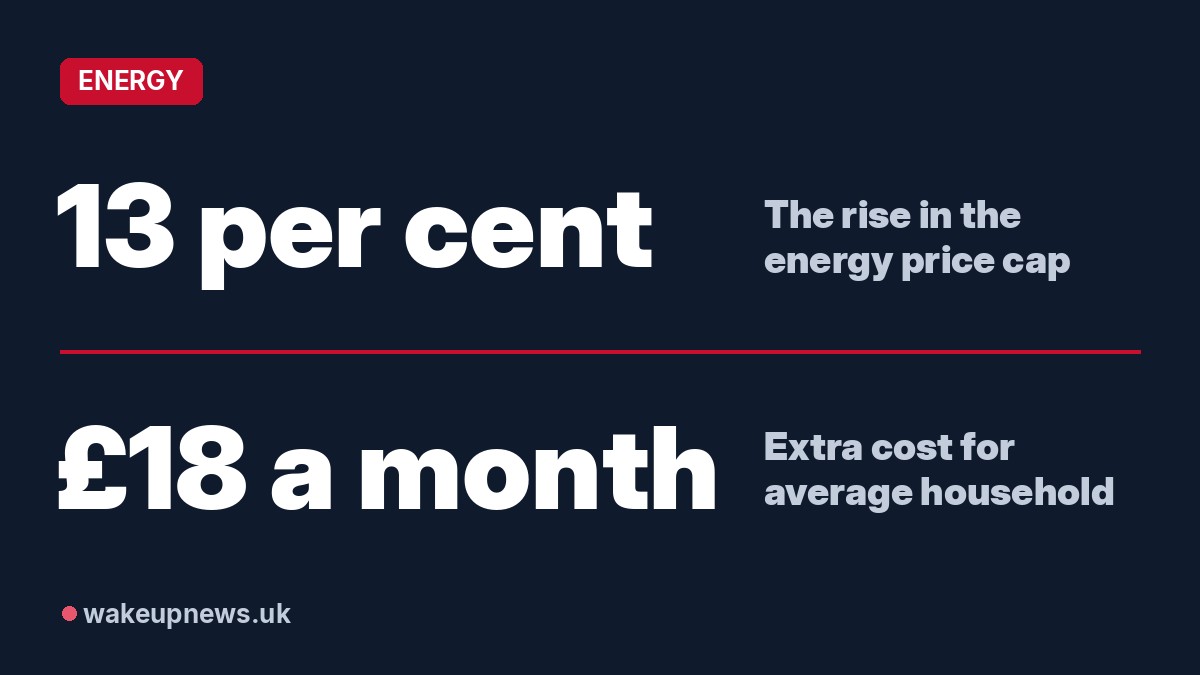
His warning comes on top of a rise that was already confirmed. According to the Daily Mirror, the price cap is set to go up by 13 per cent from July 1. That works out at approximately £18 a month more for the average household paying for dual fuel by direct debit.
For anyone on a standard variable deal, the message is that the squeeze is unlikely to ease quickly. Speaking on his BBC podcast, Mr Lewis said: "If you are on the price cap, the default tariff, you are going to likely pay substantially more than now until at least next March."
Why falling gas prices may not feed through to the October cap
Mr Lewis posted a chart from Trading Economics showing the cost of 'Natural Gas UK', including a recent drop. He said these wholesale prices "are a key driver of UK gas and electricity bills", but added that the six-month graph showed prices "still have a long way to fall before returning to pre-conflict levels".
The timing of the regulator's sums matters too. The Mirror reported that Ofgem uses an assessment period running from May 29 to August 18 to set the October cap, so some of the high prices seen in recent weeks will be counted in its decision. Mr Lewis said that "without substantial further drops" the October cap still looked set to be significantly higher than today's level.
Not everyone accepted his reading of the chart. One person replied that it showed the "paper prices of gas and oil" and was "not even close to actual prices that actually get paid". Mr Lewis answered "Yes and no", explaining that the overall price is dictated primarily by policy costs, while the movement in prices is dictated by wholesale costs.
Who faces higher bills and who might find cheaper deals
Households sitting on the default price cap tariff are the group Mr Lewis singled out as most exposed. According to the Mirror, analysts had previously forecast that the cap would rise again by 2 per cent or 3 per cent in October and then stay at that level in January. That would leave default tariff customers paying more than they do now for many months, rather than seeing any quick relief.
People looking for a fixed deal may see a little good news. Mr Lewis said the fall in gas prices "could lead to slightly cheaper fixed tariffs being launched in the coming days", and in reply to another message he said fixed deals were "likely to get cheaper if this holds". He did not say how much cheaper they might be, and no supplier prices were published alongside his comments.
There is a separate change for electricity. Citizens Advice says the government is cutting VAT on household electricity bills for 6 months, so customers will not pay VAT on electricity from 1 October 2026 to 31 March 2027. The charity says the cut is applied automatically, with standard 5% VAT returning from 1 April 2027.
Key numbers
- 13 per cent: the rise in the energy price cap from July 1.
- £18 a month: the approximate extra cost of that rise for the average dual fuel household paying by direct debit.
- 2 per cent or 3 per cent: the further October rise analysts had previously forecast, according to the Mirror.
- May 29 to August 18: the window Ofgem uses to assess wholesale costs for the October cap.
- 6 months: the length of the VAT cut on household electricity bills, according to Citizens Advice.
- 5%: the standard VAT rate on electricity that returns from 1 April 2027.
What decides the October price cap
Ofgem's October figure rests on wholesale prices across the assessment window from May 29 to August 18, so what happens to gas prices during that period will shape the final number. Mr Lewis's view was that only substantial further drops would stop a significant rise. The exact October cap level was not given in his comments or in the Mirror's report, and analysts' earlier forecast of a 2 per cent or 3 per cent rise was made before the latest fall in gas prices.
What you can do now
Start by checking which kind of tariff you are on. Your latest bill or online account will show whether you are on a default price cap tariff or a fixed deal, and Ofgem explains how the cap works on its page about energy price cap unit rates and standing charges, which also covers how to switch supplier and complain about a supplier.
If you are thinking about a fixed tariff, keep an eye on new deals as they launch, since Mr Lewis expects some to come in slightly cheaper. Before agreeing to anything, check the length of the deal, the unit rates and standing charge, and any exit fee, and compare these against what you pay now under the cap.
If bills are already hard to manage, Citizens Advice lists the grants and benefits that can help you pay your energy bills, including Warm Home Discount, Winter Fuel Payment and Cold Weather Payment. The help available depends on how you pay for energy, the type of energy you use and whether you claim benefits.
Your questions answered
Will my bill go up from July 1?
If you are on the default price cap tariff, the Mirror reports that the cap is set to rise by 13 per cent from July 1. For the average household paying for dual fuel by direct debit, that means approximately £18 a month more. Those on a fixed deal pay the rate agreed in their contract.
Why don't lower gas prices mean lower bills straight away?
Mr Lewis said wholesale prices drive the movement in bills, but the overall price is dictated primarily by policy costs. Ofgem also looks at prices across a set window from May 29 to August 18, so some of the recent high prices will still count towards the October cap.
Are fixed deals getting cheaper?
Mr Lewis said the fall in gas prices could lead to slightly cheaper fixed tariffs being launched, and that fixed deals were "likely to get cheaper if this holds". He did not give figures, so the size of any saving has not been published.
Sources
This report was written by the Wake Up News Desk from the reporting and official documents listed below. Figures are taken from these sources. Spotted an error? Email hello@wakeupnews.uk.