State Pension age climbing to 67: anyone born from 6 April 1960 waits longer
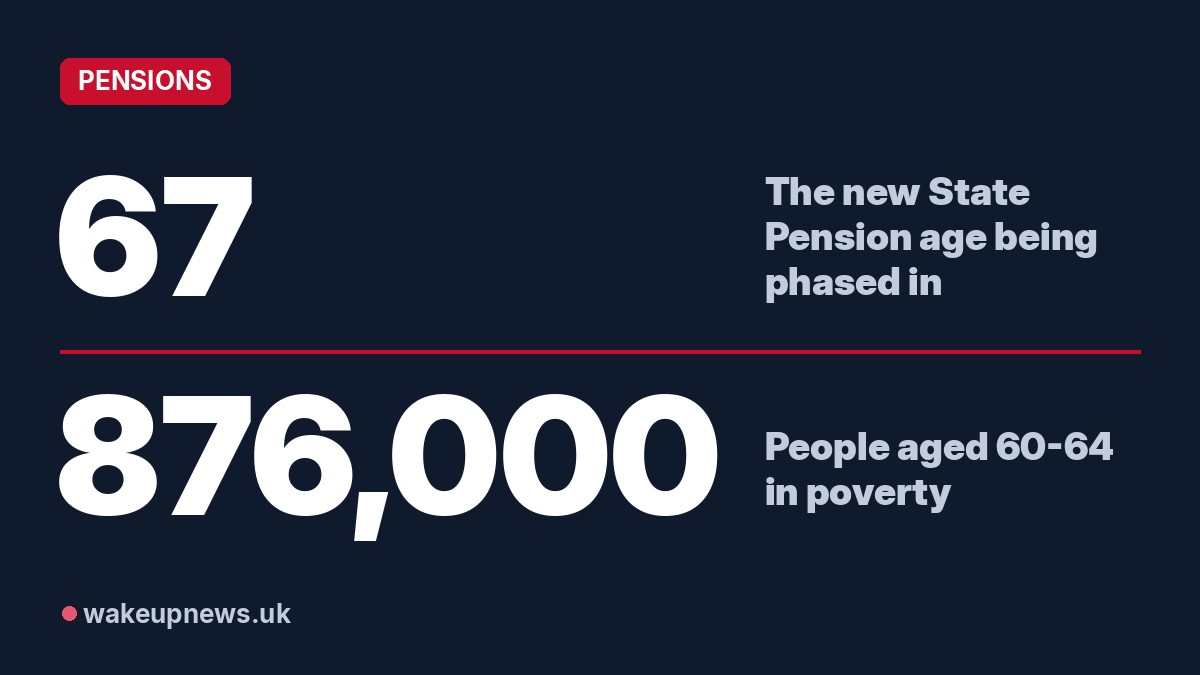
The State Pension age has started rising from 66 to 67. The government began phasing in the change from April 2026 and plans to finish it within two years, the Daily Mirror reports. The first people affected are those born between 6 April and 5 May 1960, who have to wait one extra month before their State Pension payments start.
The Department for Work and Pensions (DWP) is now publicising the change, with a particular focus on people born between 1960 and 1961. For them, State Pension age is no longer a single birthday. It is 66 plus a set number of months that depends on their exact date of birth, so two friends born a few weeks apart could start claiming at different times.
The extra wait comes at a sensitive time. A cross-party group of MPs has launched an inquiry into the income gap facing people who have stopped working but cannot yet claim their State Pension. The DWP says other support is available in the meantime.
How the month-by-month rise works
According to the date table published by the Mirror, each monthly birth band adds one more month to the wait. Someone born between 6 May 1960 and 5 June 1960 reaches State Pension age at 66 years and 2 months. Someone born between 6 February 1961 and 5 March 1961 reaches it at 66 years and 11 months. After that, the table puts everyone born between 6 March 1961 and 5 April 1977 at 67.
The Mirror's written explanation describes the 67 group slightly differently, saying people born from April 1961 to March 1977 will reach State Pension age on their 67th birthday. Because the two versions do not quite match at the edges, anyone born in early 1961 should check their own date through the official government service and not rely on a newspaper table.
The official reason for the rise is longer life expectancy, and the Mirror reports that many younger people expect to work into their 70s. Elaine Smith, head of employment and skills at the Centre for Ageing Better, questioned that reasoning. "But life expectancy nationally is lower now than it was before the pandemic," she warned.
Who is hit hardest by the longer wait
The Work and Pensions Committee says 60-64 year-olds are among the joint poorest age groups of working-age adults aged 25 and over. Many have had to leave work early because of caring responsibilities or ill health, but are still too young to claim. In 2023/24, 22% of this group, or 876,000 people, were living in poverty, the committee found.
The last rise offers a warning. When the State Pension age went from 65 to 66, 100,000 more 65-year-olds fell into absolute income poverty than before, according to the Mirror's report. The Institute for Fiscal Studies (IFS) found that some of those affected had to rely on private pension savings to fill the gap and reported lower life satisfaction, although employment rates in the affected age groups rose by 10 percentage points, mainly because people stayed in their jobs for longer.
Committee chair Debbie Abrahams said the government had offered "a lot of - not unwelcome - standalone policies, but nothing that amounted to a guiding star". She added that someone who had "worked a grueling 45 years as a skilled tradesperson paying taxes" could find themselves short of cash until their pension arrives. A DWP spokesman said people below State Pension age "can access a range of support such as universal credit and other means-tested and disability-related benefits".
Key numbers
- 67: the new State Pension age, being phased in over two years from April 2026.
- 66 years and 1 month: the State Pension age for the first group affected, born 6 April 1960 to 5 May 1960.
- 66 years and 11 months: the State Pension age for people born 6 February 1961 to 5 March 1961.
- 876,000: the number of 60-64 year-olds living in poverty in 2023/24, according to the Work and Pensions Committee.
- 100,000: how many more 65-year-olds fell into absolute income poverty after the last rise, from 65 to 66.
- 10 percentage points: the rise in employment rates among age groups affected by earlier pension age increases.
- 2044-46: when the rise to 68 is currently written into law, although a review could change those dates.
What happens next for people born in 1960 and 1961
The move to 67 will keep rolling out over the next two years, with each monthly birth group waiting a little longer than the one before. A further rise to 68 is planned for people born from April 1977 onwards, but the government is still reviewing pension age increases and those dates could be revised. The MPs' inquiry into the income gap before pension age is under way, and its findings have not been published yet.
Earlier increases caused a strong backlash, most notably the Waspi campaign by women who say they were not given enough warning of the changes. That history is why the DWP is publicising these dates now, and why it is worth checking your own date well before you plan to stop work.
What you can do now
The most useful step is to check your exact date. The government's State Pension forecast service shows when you can claim, how much you could get and whether you can increase it, for example by paying to fill gaps in your record. You will need to sign in and may need photo ID, and you can also check through the HMRC app. The service itself notes that State Pension age is regularly reviewed, so your result could change in future.
While you are checking, look at your National Insurance record. The official guide to the new State Pension says you need 10 qualifying years to get any new State Pension, and those years can come from working, from National Insurance credits for things like caring or illness, or from voluntary contributions.
If you have already left work, or expect to before your pension starts, plan for the extra months now. The DWP says people below State Pension age may be able to get universal credit and other means-tested or disability-related benefits, so it is worth checking what you might be entitled to before savings run down.
Your questions answered
I was born in autumn 1960. When can I claim?
It depends on the exact day. The Mirror's table shows that people born between 6 October 1960 and 5 November 1960 reach State Pension age at 66 years and 7 months, while those born between 6 September 1960 and 5 October 1960 reach it at 66 years and 6 months. Your official forecast will confirm your date.
Is the State Pension age going up to 68 as well?
A rise to 68 is currently written into law for 2044-46 and would apply to people born from April 1977 onwards. However, the government is reviewing pension age increases, so those dates could still be revised.
What help is there if I stop working before my pension starts?
The DWP says people who have not reached State Pension age can apply for universal credit and other means-tested and disability-related benefits. MPs on the Work and Pensions Committee have argued that this support is not joined up, and their inquiry into the income gap is looking at the problem.
Sources
This report was written by the Wake Up News Desk from the reporting and official documents listed below. Figures are taken from these sources. Spotted an error? Email hello@wakeupnews.uk.