3p a mile for electric cars and 1.5p for hybrids: how the new tax will work

Drivers of electric cars will pay a new charge of 3p for every mile they drive from April 2028, and hybrid owners will pay 1.5p a mile, under plans set out by the Treasury. The charge will be collected through the Vehicle Excise Duty system that the DVLA already runs, using readings from the car's own odometer. According to the Daily Express, older drivers could end up paying about £50 extra a year.
The Government has also admitted a weakness in its own plan. Officials accept the tax "may increase the likelihood of motorists choosing to clock their vehicles", according to the BBC, and say they are looking at ways to stop it. Many people were encouraged to switch to cleaner cars partly to save money, and a meter on every mile is a sharp change of direction for them.
How mileage will be checked and billed
The Treasury said mileage will be checked once a year, around the time a car's MOT is due. Brand new cars, which do not need an MOT straight away, will be checked around the first and second anniversary of their registration instead. The amount owed will then be added through the Vehicle Excise Duty system that drivers already deal with at the DVLA.
Because the bill relies on the odometer in each vehicle, the number on that dial is now worth real money. Winding back a car's mileage, known as clocking, would cut the charge, and the Government has accepted that this is a risk. The BBC reported that officials are considering ways to prevent it, but no detail on how tampering will be caught has been published.
The Office for Budget Responsibility (OBR) estimated the charge could raise £1.1billion in its first financial year, rising to £1.9billion by 2030/31. The forecaster called those figures "uncertain" because the money collected depends on how many electric cars are bought over the next five years. It also warned the levy was "likely to reduce demand for electric cars as it increases their lifetime cost".
Who pays, who is exempt and what over-70s could face
The charge will apply to every electric vehicle registered in the UK, wherever in the world it is driven. Hybrid owners will pay the lower rate of 1.5p a mile. Vehicles registered abroad but driven on UK roads will be exempt, according to the Daily Express.
The Express looked at drivers over the age of 70, who it said cover an average of 1,665 miles a year, and put their total charge at £49.95 over a 12-month period. That is where the "extra £50" headline comes from. The report does not give a separate worked figure for hybrid owners, and anyone who drives further than average would pay more because the bill rises with every mile.
The timing matters as well. A ban on the sale of new petrol and diesel cars is planned from 2030, with some new hybrid cars allowed on sale until 2035, including several models that cannot be plugged in. As that ban approaches, more drivers are expected to end up in cars covered by the charge, which is why the OBR expects the money raised to grow.
Key numbers
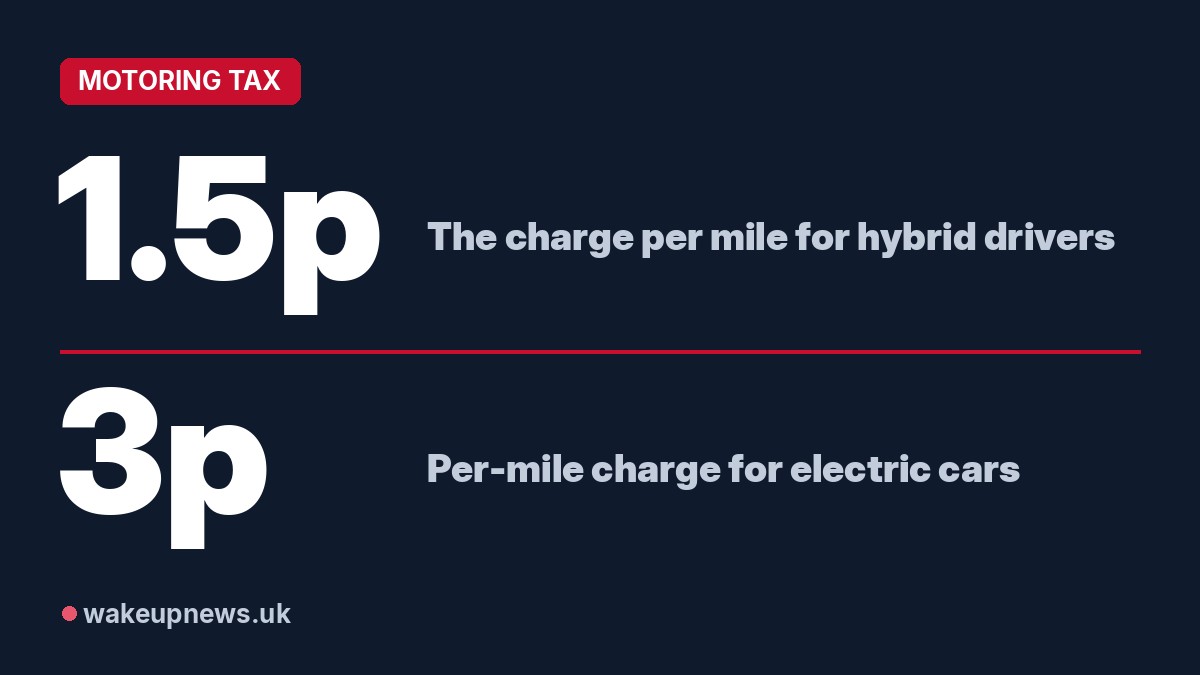
- 3p: the charge per mile for electric car drivers.
- 1.5p: the charge per mile for hybrid drivers.
- April 2028: when the per-mile charge is due to begin.
- 1,665 miles: the average distance drivers over 70 cover each year, according to the Daily Express.
- £49.95: the yearly total the Express worked out for an over-70 driving that average distance.
- £1.1billion: what the OBR estimates the charge could raise in its first financial year.
- £1.9billion: the amount the OBR expects it to raise by 2030/31.
When the charge starts and what is still unknown
Nobody is paying anything yet. The per-mile charge is due to start in April 2028, with checks tied to MOT dates for older cars and registration anniversaries for new ones. Before then, the Government still has to explain how it will stop clocking, and the OBR has said its revenue forecasts depend on how many electric cars people choose to buy.
The motor industry is watching closely. The Society of Motor Manufacturers and Traders (SMMT) said sales of new electric cars rose for the 10th consecutive month in September. Its chief executive, Mike Hawes, said high fuel prices were "undoubtedly giving more customers reason to consider going electric" but that uptake "remains behind mandated targets", adding that "the UK still has the world's toughest targets and highest energy costs".
What you can do now
If you own an electric or hybrid car, make a note of when your MOT falls due, because that is when the Treasury says your mileage will be checked each year once the charge begins. Keep your MOT certificates and service records that show past mileage. They give you your own record of the readings if a figure is ever disputed.
If you are buying a used car, take extra care over the mileage. The Government itself has said the new tax may make clocking more tempting, so check the reading against the car's paperwork and history before you hand over any money.
If you are choosing your next car, count the per-mile charge as a running cost alongside fuel or charging, insurance and road tax. Low-mileage drivers will pay less than high-mileage ones, so it helps to have a rough idea of how far you drive each year before the charge starts in 2028.
Your questions answered
Will I pay the charge if I drive a petrol or diesel car?
The reports describe the charge as applying to electric cars at 3p a mile and hybrids at 1.5p a mile. Nothing in them suggests petrol or diesel cars will be charged per mile.
How will the Government know how far I have driven?
Readings will be taken from your car's odometer. The Treasury said mileage will be checked each year around the time the MOT is due, or around the first and second anniversary of registration for new cars. The payment will then be handled through the DVLA's Vehicle Excise Duty system.
What if I take my electric car abroad?
According to the Daily Express, the charge applies to all electric vehicles registered in the UK regardless of where in the world they are driven. Cars registered in other countries but driven in the UK will be exempt. The reports do not say whether miles driven outside the UK can be taken off the bill.
Sources
This report was written by the Wake Up News Desk from the reporting and official documents listed below. Figures are taken from these sources. Spotted an error? Email hello@wakeupnews.uk.