Personal allowance could rise to £15,570: £3,000 more tax free
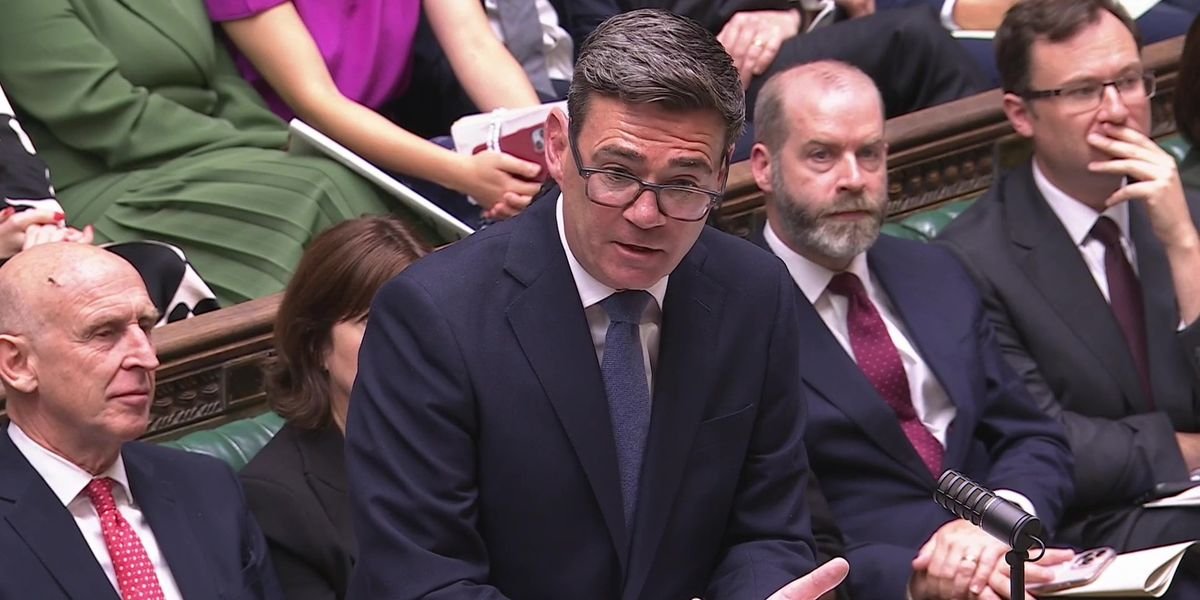
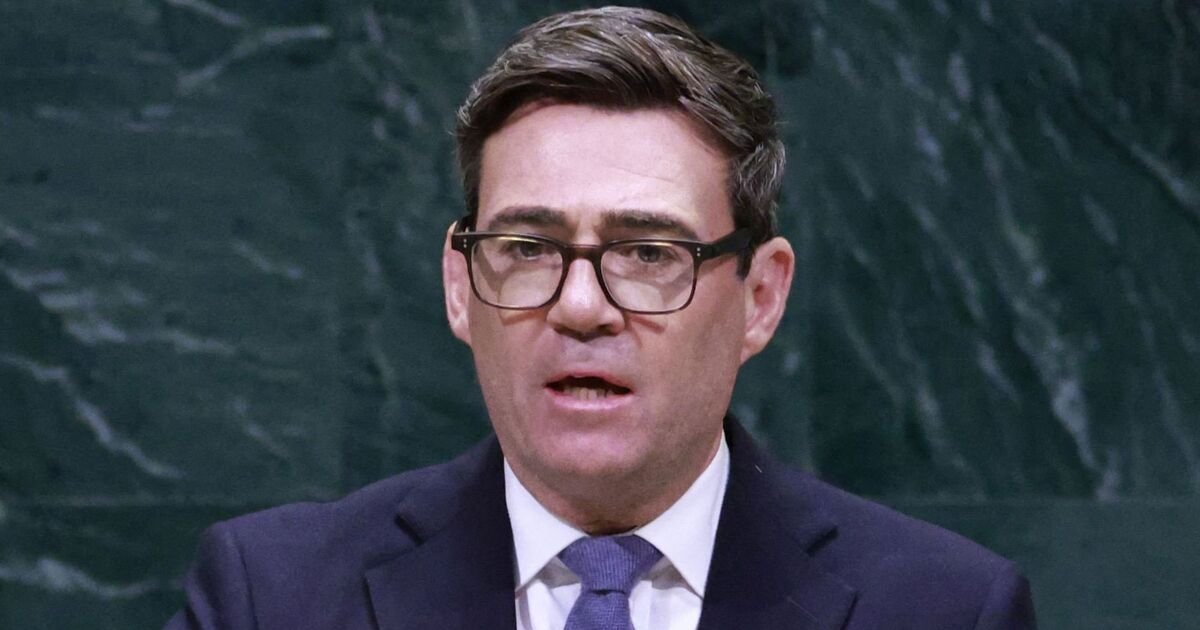
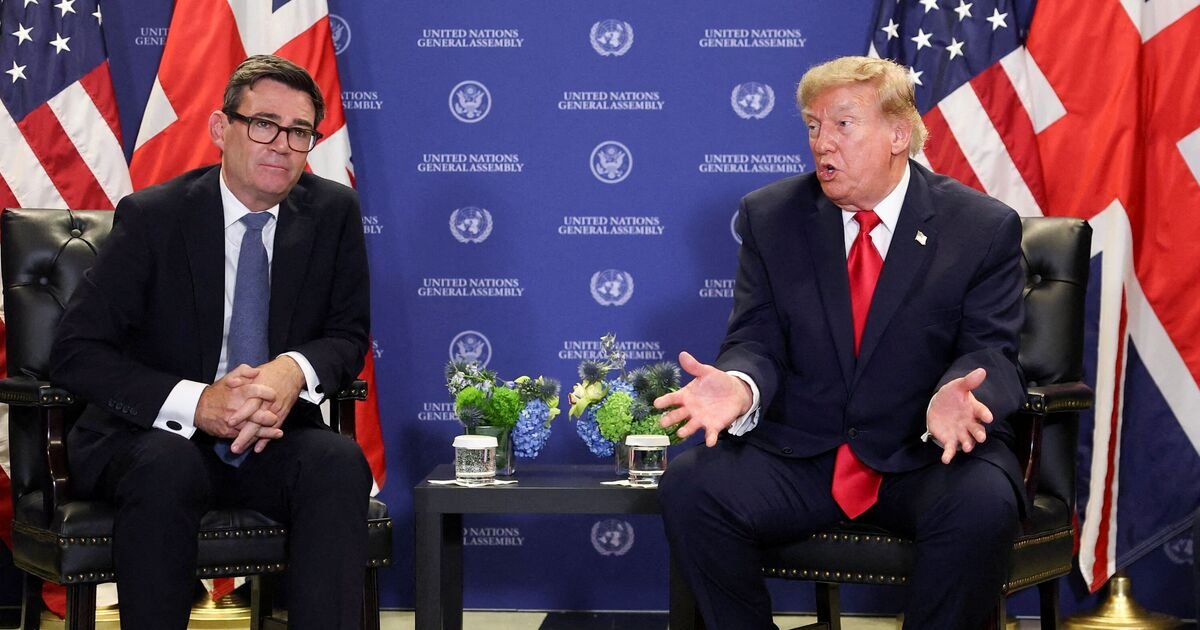
Ministers are looking at raising the income tax personal allowance by £3,000, which would move the point at which workers start paying income tax from £12,570 to £15,570. The plan is reported to be under consideration by Prime Minister Andy Burnham and Chancellor John Healey, and it would be the first increase to the threshold in half a decade.
The personal allowance matters to almost every working household because it is the slice of income that is not taxed at all. It has been held at £12,570 while wages and prices moved on, and the freeze on the allowance and the basic rate band is currently due to run until 2028. That freeze is what has quietly pulled more people into paying income tax, and more into higher bands, without any rate ever being announced as going up.
The idea did not originate in the Treasury. It was put forward by Dale Vince, the founder of green energy company Ecotricity and a Labour donor, and reports suggest it is now one of the options being examined in the run up to the Budget.
Under the proposal, the cost would be met in two ways. The first is higher capital gains tax rates, which apply to profits made when assets are sold. The second is scrapping the interest payments the government currently makes to banks on reserves held at the Bank of England. No figure has been published for what the change would cost overall.
Vince argued that lower earners would gain the most. He said that if Labour wants to get the economy moving it should put money into the pockets of people who will spend it, and that raising the allowance to £15,570 would give millions of people a meaningful boost. He added that it could be paid for by making the tax system fairer, starting with capital gains and what he described as the billions handed to banks in interest.
The Treasury would not be drawn on any of it. It said tax decisions are for the Chancellor to announce at fiscal events rather than in response to rumour, speculation or proposals, which is the standard line and should be read as neither a denial nor a promise.
Susannah Streeter, chief investment strategist at Wealth Club, said tax speculation was building ahead of the Budget and that the latest public finances figures leave Burnham and Healey with a delicate balancing act. According to Streeter, any move to cut income tax bills would force the government to find the money elsewhere, and capital gains tax is increasingly named as the likely target. She noted that a higher rate could put people off selling assets at all, and cautioned investors against rearranging their affairs on the strength of Budget rumours.
Nothing here is settled. It is a proposal from outside government that ministers are said to be reading, and it only becomes real if the Chancellor stands up and says so at the Budget. Households have been told before that relief was coming and then watched thresholds stay exactly where they were.
For anyone on a modest wage, the difference between £12,570 and £15,570 is the kind of change that would actually show up in a monthly pay packet, which is precisely why it is worth watching rather than celebrating. Until it is written into a Budget statement, the frozen allowance is still the rule, and the freeze is still scheduled to run to 2028.