£15,892 income gap hits working mums on statutory maternity pay
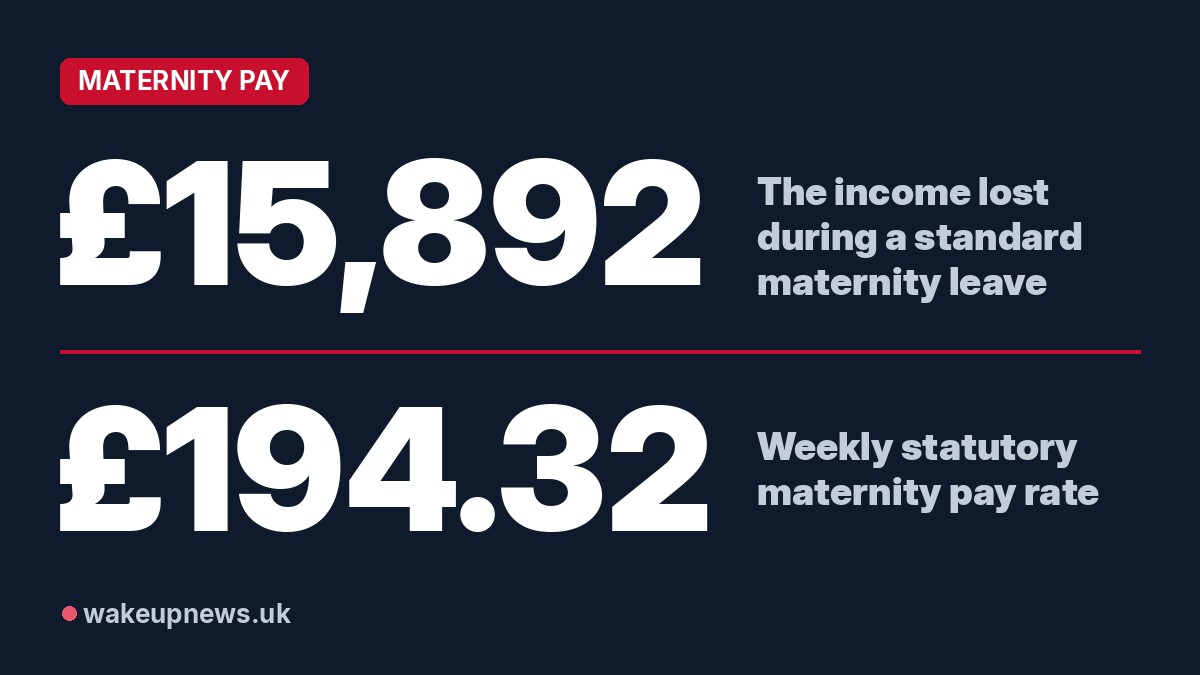
A full-time working mother on a typical wage loses an average of £15,892 in income over a single standard maternity leave, according to new research by family lawyers HCB Widdows Mason reported by the Daily Mirror. The gap comes from the way statutory maternity pay is set, with most of the paid weeks capped at a flat £194.32 a week.
The firm based its sums on Office for National Statistics (ONS) figures that put the median UK full-time salary at £751 per week, or £39,039 a year. On that basis, the research says a mother misses out on £481.58 every week once the flat rate takes over.
The squeeze comes just as the basics for a new baby have become far more expensive, the research found. Baby essentials have risen in price by 54.5% over the past decade, and nappies have gone up by 118.1%.
How statutory maternity pay drops after six weeks
Under the statutory system, mothers receive 90% of their average weekly earnings before tax for the first six weeks of leave. For the next 33 weeks, pay falls to £194.32 a week or 90% of average weekly earnings, whichever is lower. For anyone earning around the typical full-time wage, the lower figure is the flat rate.
HCB Widdows Mason set out the gap step by step. On the £751 median weekly wage, 90% would be £675.90, but because the statutory rate of £194.32 is lower, that is what a mother actually receives. The difference of £481.58 a week adds up to £15,892.14 over a standard maternity leave, the firm said.
Lorraine Watts, a family law solicitor at HCB Widdows Mason, said maternity leave "exposes women to an acute financial vulnerability that many couples fail to anticipate". She warned that an income drop of nearly £16,000 combined with a 54% spike in the cost of baby essentials "creates a high-pressure environment right at the start of a child's life".
Who takes the biggest hit from the flat rate
The £15,892 figure describes a full-time mother on the median wage, the point where half of full-time workers earn more and half earn less. It is a calculation by a law firm rather than an official government estimate, so what any one mother loses will depend on what she earned before her leave began.
The research applies to mothers relying on statutory pay. It does not say how many mothers get more generous pay from their employer, and no figures on that have been published alongside the findings.
The number of families facing this choice each year is large. ONS data shows 585,396 babies were born in England and Wales last year, 1.6% fewer than the year before. Ms Watts said the strain is at its worst when a relationship breaks down, arguing that child maintenance calculations "rarely reflect the actual cost of raising a child" and leave the primary caregiver to shoulder "the long-term financial burden alone".
Key numbers
- £15,892: the average income a full-time mother on the median wage loses over a standard maternity leave, according to HCB Widdows Mason.
- £194.32: the weekly statutory rate paid for 33 weeks after the first six weeks, where it is lower than 90% of earnings.
- £751: the median UK full-time weekly salary, according to the ONS.
- £481.58: the weekly shortfall a median earner faces compared with 90% of her normal pay.
- 84.6%: the share of paid maternity leave spent on the capped rate.
- 54.5%: the rise in the cost of basic baby essentials over the past decade.
- 585,396: the number of babies born in England and Wales last year, according to ONS data.
What happens next for maternity pay
These findings come from a law firm's research, not a government announcement, so nothing changes to maternity pay because of them. The reports do not mention any plan to raise the £194.32 statutory rate, and no date for a review has been published.
Ms Watts said couples should treat the decision to have a child "with the same preparation as buying a house or writing a will". She argued that planning ahead and having open conversations about money before having children "are no longer optional".
What you can do now
If you or someone in your family is expecting, ask the employer exactly what maternity pay is on offer and when the flat rate starts. Check payslips for average weekly earnings before tax, because that sets the 90% payment for the first six weeks. Then compare it with the £194.32 weekly rate to see how big the drop will be.
Draw up a budget for the 33 weeks on the lower rate before the baby arrives, and include essentials such as nappies, which the research says have risen sharply in price. Ms Watts urged couples to agree openly who will carry the cost of time out of work rather than leaving it to chance.
Some households will have a much lower income during leave and may want to check whether they can get extra help. The government describes Universal Credit as a monthly payment to help with living costs for people on a low income. An independent benefits calculator can show whether a claim might be possible.
Your questions answered
How much is statutory maternity pay?
According to the figures reported by the Mirror, mothers get 90% of their average weekly earnings before tax for the first six weeks. After that they receive £194.32 a week, or 90% of average weekly earnings if that is lower, for the next 33 weeks.
Where does the £15,892 figure come from?
Family lawyers HCB Widdows Mason took the ONS median full-time wage of £751 a week and worked out that 90% of it is £675.90. They compared that with the £194.32 statutory rate, a gap of £481.58 a week, which comes to £15,892.14 over a standard maternity leave.
Will I lose this much myself?
Not necessarily. The figure is based on a full-time mother on the median wage, so someone who earned less before her leave would see a smaller gap. The research does not give figures for other earnings levels.
Sources
This report was written by the Wake Up News Desk from the reporting and official documents listed below. Figures are taken from these sources. Spotted an error? Email hello@wakeupnews.uk.