£5,000 wood burner fines: the rules most households have not heard of
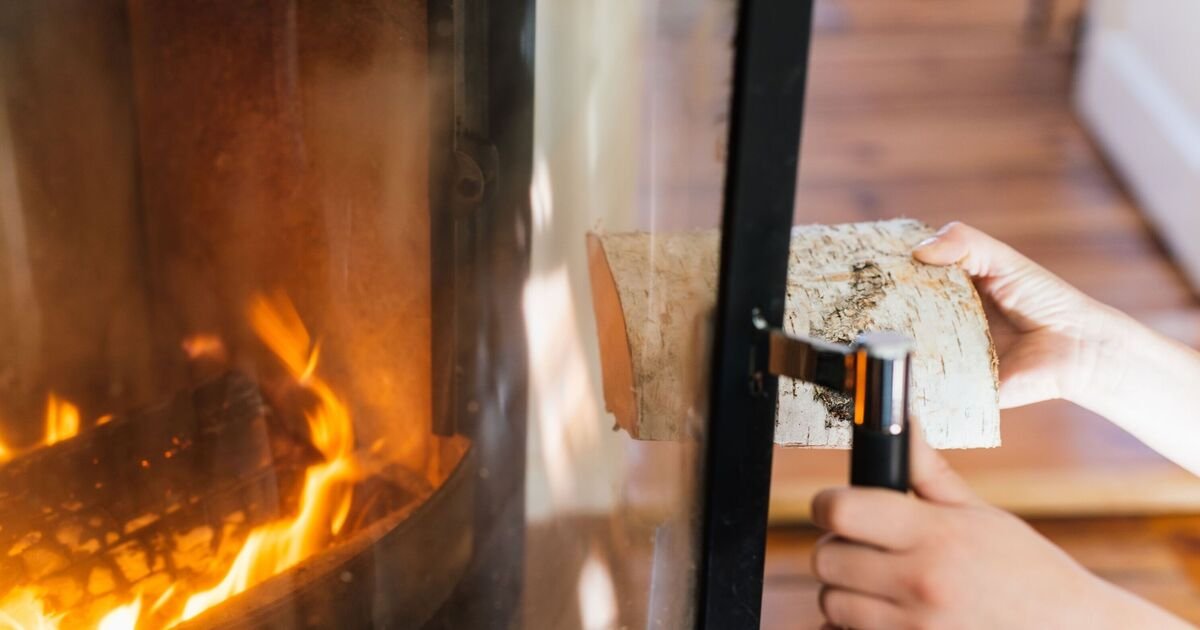
Households that heat a room with a log burner are facing the sharp end of new government proposals, with penalties running as high as £5,000 for those who break the rules. The figure sits inside a consultation on the government's Environmental Improvement Plan, which sets out tighter controls on solid fuel heating and on what can legally go up a domestic chimney.
Andy Burnham is reported to be pushing for stricter regulation of solid fuel heating, and the plan lands as councils across the country move to widen the areas where smoke from a chimney is restricted. Norwich and Brighton and Hove have both signalled they intend to expand their Smoke Control Areas, which would pull more homes into rules many owners have never read.
There is no ban on wood burners in the UK at present, and nothing in the proposals would rip out a stove that is already installed. The penalties apply to how the appliance is used. Burning unauthorised fuel in an appliance that does not appear on the DEFRA exempt list can bring a fine of £1,000. Where a household offends repeatedly and the case reaches court, that figure can climb to £5,000.
For manufacturers the proposals go further. Older models would be kept off the market unless they meet new standards, although burners already in use would not be banned retrospectively. Inside a Smoke Control Area the restrictions also cover what fuel can be bought and sold, not only what is burned at home.
The government has said the consultation will seek to minimise the impact on people who rely on wood burning, and that measures will be included so households can still mark traditions such as Bonfire Night and Diwali. That is the assurance on paper. The detail of how it is applied will be settled by the consultation itself.
The stated aim is cutting PM2.5, a fine particulate pollutant that the World Health Organisation regards as the most damaging to human health and which is linked to asthma, lung disease and heart conditions. Ministers want a 30 per cent reduction by 2030, measured against 2018 levels. Official data shows a fifth of PM2.5 emissions in 2023 came from domestic combustion, which is why home heating is in the frame.
The next step is a consultation on reducing the environmental impact of burning wood in the open and in stoves, including bonfires. Nothing is fixed in law yet. What follows will depend on what comes out of that process and on how far individual councils choose to stretch their own Smoke Control Areas, which is a decision taken locally rather than in Westminster.
The practical problem is cost. Households are being pointed towards electric heating and heat pumps, neither of which is cheap to install and neither of which is a realistic swap for everyone this winter. For a lot of people the log burner is simply the affordable way to keep one room warm without firing up the heating for the whole house. A £1,000 penalty for the wrong fuel is a serious sum for that household, so it is worth checking now whether your address sits in a Smoke Control Area and whether your appliance is on the exempt list.