Average household could pay £516.90 more for energy from January, Lewis warns
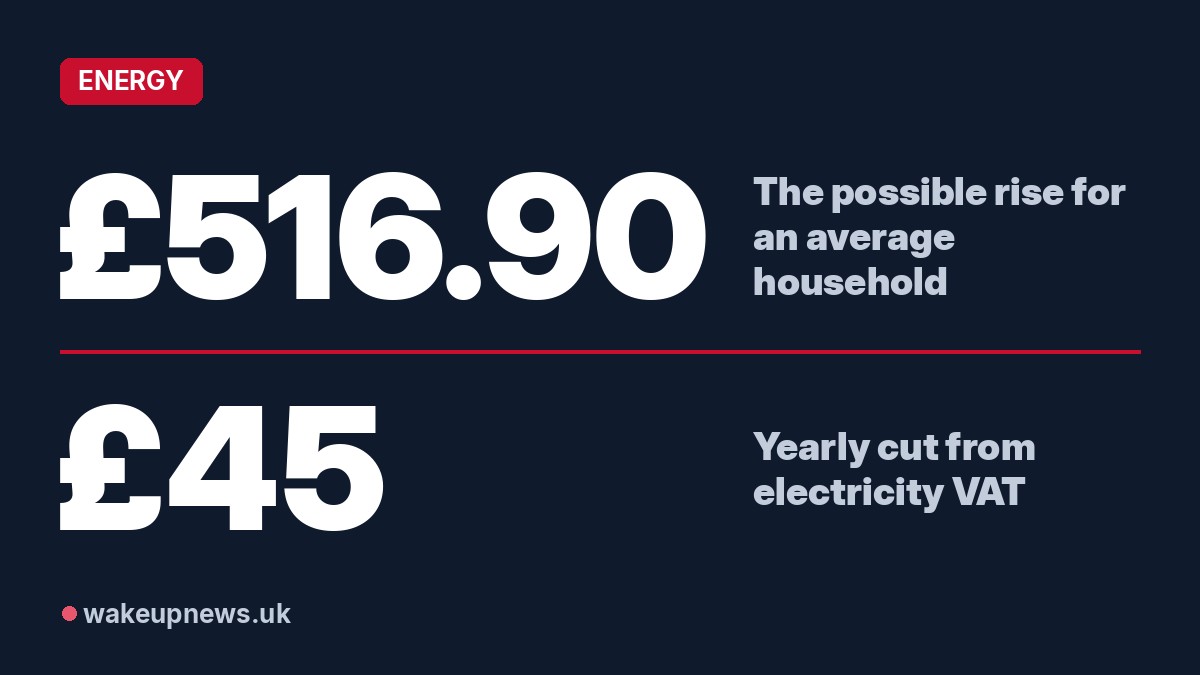
Money expert Martin Lewis has warned that energy bills could rise by as much as 30% this January. The Daily Express says that would add £516.90 to gas and electricity costs for the average household at today's prices. The current forecast is lower, at 21%, but the paper says even that would put another £361.83 on bills in the New Year.
The warning comes less than six months into Andy Burnham's time as Prime Minister. He began with a VAT cut on energy bills, a £2 bus fare cap and a boost for pubs and bars. But the Express reports that his £45 VAT saving has already been swallowed by a £65 rise in energy prices.
So far, rising wholesale costs have outpaced the help households have had from the government this winter. Ministers have not announced what they will do next, if anything.
How the January price cap is being worked out
The size of the January rise depends on what happens to prices during the assessment period used to set the Ofgem price cap. According to the Express, Mr Lewis told ITV's Good Morning Britain on Thursday that the next seven weeks are critical to that assessment. If the conflict in the Middle East gets significantly worse in that time, prices could spike and the rise could reach 30%.
The Express notes that today's energy prices are already 4% up on the week before. It also reports that Mr Lewis hinted the government may need to step in. The report does not say what form he thinks that help should take.
The paper's columnist sets out the choices facing the Prime Minister. One is to accept the rise as a result of the war. Another is a costly 'cap on the cap' intervention like the one Liz Truss made. A third is to reform how Ofgem sets the cap so electricity prices are no longer tied to wholesale gas. The column argues that the gas link was always a poor method, because households that use no gas still face rises driven by gas prices.
Who would pay more from January
The £516.90 and £361.83 figures are for an average household paying for both gas and electricity, so real bills will vary with how much energy a home uses. The sources do not show how the rise would split between gas and electricity, or how it would differ by region. Citizens Advice says the help you can get depends on how you pay for your energy, the type of energy you use and whether you claim benefits.
The VAT cut applies to household electricity only. According to Citizens Advice, no VAT is charged on electricity bills from 1 October 2026 to 31 March 2027, and the standard 5% rate returns from 1 April 2027. The government says the cut takes around £45 off the yearly Ofgem price cap, and households get it automatically without applying.
That means the cut will still be in place if bills rise in January. On the Express figures, though, it would cover only a small part of a 21% or 30% increase. The column also points to Labour's manifesto promise of '£300 off energy bills', which it says sits badly with the outlook.
Key numbers
- 30%: the highest January rise Martin Lewis has warned of if the Middle East conflict gets significantly worse.
- £516.90: what the Express says a 30% rise would add to gas and electricity costs for the average household.
- 21%: the January rise currently forecast, according to the Express.
- £361.83: what the Express says a 21% rise would add to average bills.
- £45: roughly how much the electricity VAT cut takes off the yearly price cap, according to the government.
- £65: the rise in energy prices that the Express says has already wiped out the VAT saving.
- 4%: how much energy prices rose on the previous week, according to the Express.
What happens before January
Bills have not changed yet. The January price cap has not been announced, and the Express says wholesale prices over the next seven weeks will decide how big the rise is. The government has announced no extra help beyond the VAT cut. The paper says the Prime Minister has ruled out snap elections as he tries to stay in the job.
The VAT cut runs until 31 March 2027, so it covers the whole winter. Citizens Advice says the standard 5% VAT on electricity returns from 1 April 2027.
What you can do now
Check what you pay now so you can compare it with the new cap when it is published. Ofgem's guide to the energy price cap and your energy supply explains how your bill is worked out. The same page also covers switching supplier, help with a prepayment meter and joining your supplier's Priority Services Register.
If you are already struggling, look at the help on offer before winter bills arrive. Citizens Advice lists grants and benefits to help pay energy bills, including the Warm Home Discount, Winter Fuel Payment and Cold Weather Payment or Winter Heating Payment. Its main advice is for England, with separate pages for Scotland, Wales and Northern Ireland.
You do not need to do anything to get the electricity VAT cut, because it is applied automatically. Be cautious about any message that asks you to apply or hand over details to receive it.
Your questions answered
Will my energy bill definitely go up by £516.90 in January?
No. That figure is the Express's estimate for the average household if bills rise by 30%, the top end of Martin Lewis's warning. The current forecast is 21%, which the paper puts at £361.83, and the actual cap has not been announced yet.
Does the VAT cut cover my gas bill?
The government and Citizens Advice both describe the cut as applying to household electricity bills. No VAT is charged on electricity from 1 October 2026 to 31 March 2027, and the cut is applied automatically.
Is the government going to step in?
Nothing has been announced. The Express reports that Mr Lewis hinted government action may be needed. The paper lists options such as a cap on the cap or breaking the link between electricity and gas prices, but these are the column's ideas, not government policy.
Sources
This report was written by the Wake Up News Desk from the reporting and official documents listed below. Figures are taken from these sources. Spotted an error? Email hello@wakeupnews.uk.